
The rise of Ancestry Tourism: Back to Your Roots
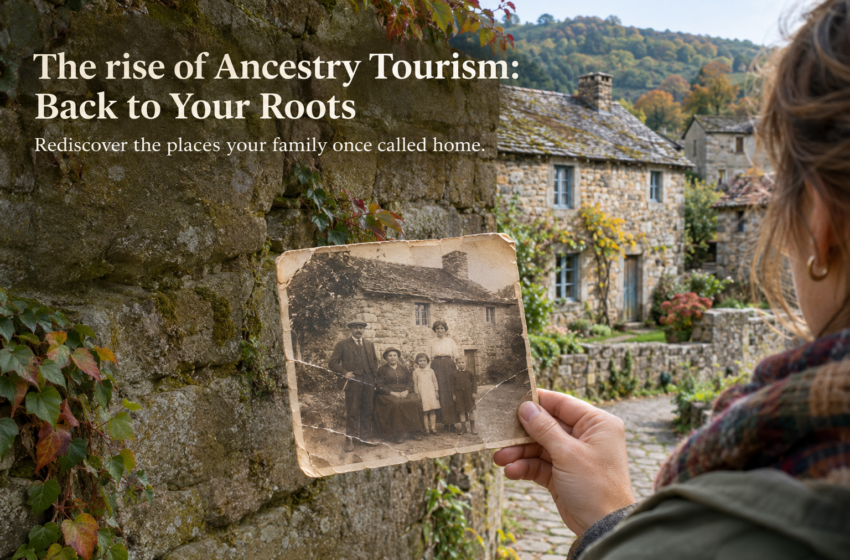
When it comes to travel, it’s frequently all about finding new destinations, experiencing various cultures, and making memories. But more and more individuals are traveling for a personal reason: to learn more about their family history. They are exploring destinations that are not popular, but are linked to their ancestors, childhood stories and cultural heritage.
It is a trend that is gaining popularity called ancestry tourism. It means visiting places of a person’s family origin, heritage or history. For some, the trip will take them to the village where their grandparents had lived. For some, it can be uncovering old family records, making new family connections or finding family traditions through generations.
Emotional aspects are what make ancestry tourism unique
It makes each holiday into a learning experience of personal history and places that helped form a family’s identity. Today, more and more people are looking into their ancestry, and for several reasons.
Ancestry tourism is also a growing trend, and is closely linked to the desire to learn about family histories and cultural identities. Many people have heard tales from their grandparents and generations of their forebears; however, they may have little to no knowledge of where their ancestors’ tales began.
Using online genealogy sites, individuals can explore their ancestry and potentially find connections with other locations. While these may be helpful starting points, historical records and family research may be required to make more specific connections.
The rise of this trend is quite possibly due to the desire for meaningful travel experiences. People are not only going sightseeing, they’re looking for holidays that are in line with their personal interests. Visiting your ancestors’ town, mastering a family recipe or a migration tale can enhance your travel experience.
The following are destinations that help bring family history to life
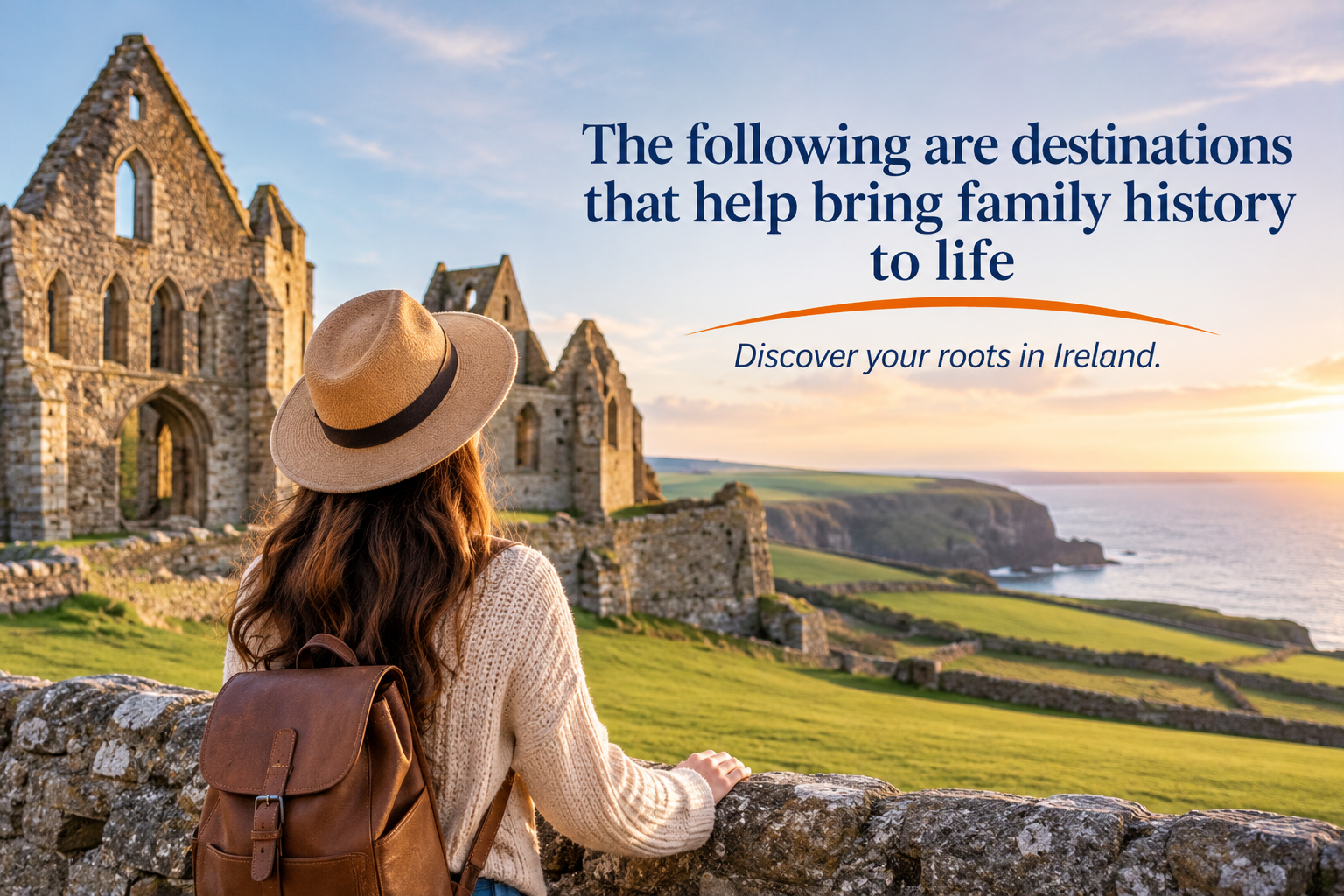
Some nations are popular with visitors who are interested in heritage tourism due to their past migration experience, cultural heritage, and relationships with communities in other countries.
In Ireland, they are discovering generations of family history.
Many people from the UK and Europe visit Ireland as a tourist destination because of their Irish heritage. People tend to visit and learn about what earlier generations lived in the counties where they came from, they visit local villages and churches and learn their history. Dublin is a great place to begin genealogical research and the National Archives of Ireland holds historical records. Visitors can enjoy a more personal experience when travelling to areas beyond the capital and find towns that are linked to their family history.
Italy – Back to Ancestral Villages
Many tourists come to Italy whose families moved to other countries. Some tourists venture to places like Sicily, Calabria and Puglia to look for the places where their ancestors emigrated. Family connections can be uncovered from local archives, civil records and parish documents. In addition to research, visitors can enjoy local food, local houses and life which might have shaped their family’s culture.
Scotland: Exploring Family Names and Heritage

The opportunity to discover clan history, historic estate and traditional cultural heritage in Scotland. Many tourists are interested in the Highlands, islands and historic cities in order to learn about their family ties. Edinburgh is a good place to begin researching Scottish history and genealogies. But it doesn’t necessarily mean having a direct connection to a specific clan since a last name can mean a lot of people. So it is crucial to do your homework before heading to the office.
Ghana: Connecting With African Heritage
Ghana is a key tourist destination for the understanding of the African heritage amongst people of the African diaspora. Visits to historic sites like Cape Coast Castle and Elmina Castle provide a chance to take in the history of the transatlantic slave trade and its effects. The guests can also taste Ghanaian cuisines, listen to Ghanaian music, attend Ghanaian festivals and engage into Ghanaian traditions. These voyages can enable a valuable grasp of broader cultural history, though not necessarily focused on a familial relationship.
The best experiences that make Ancestry Travel special
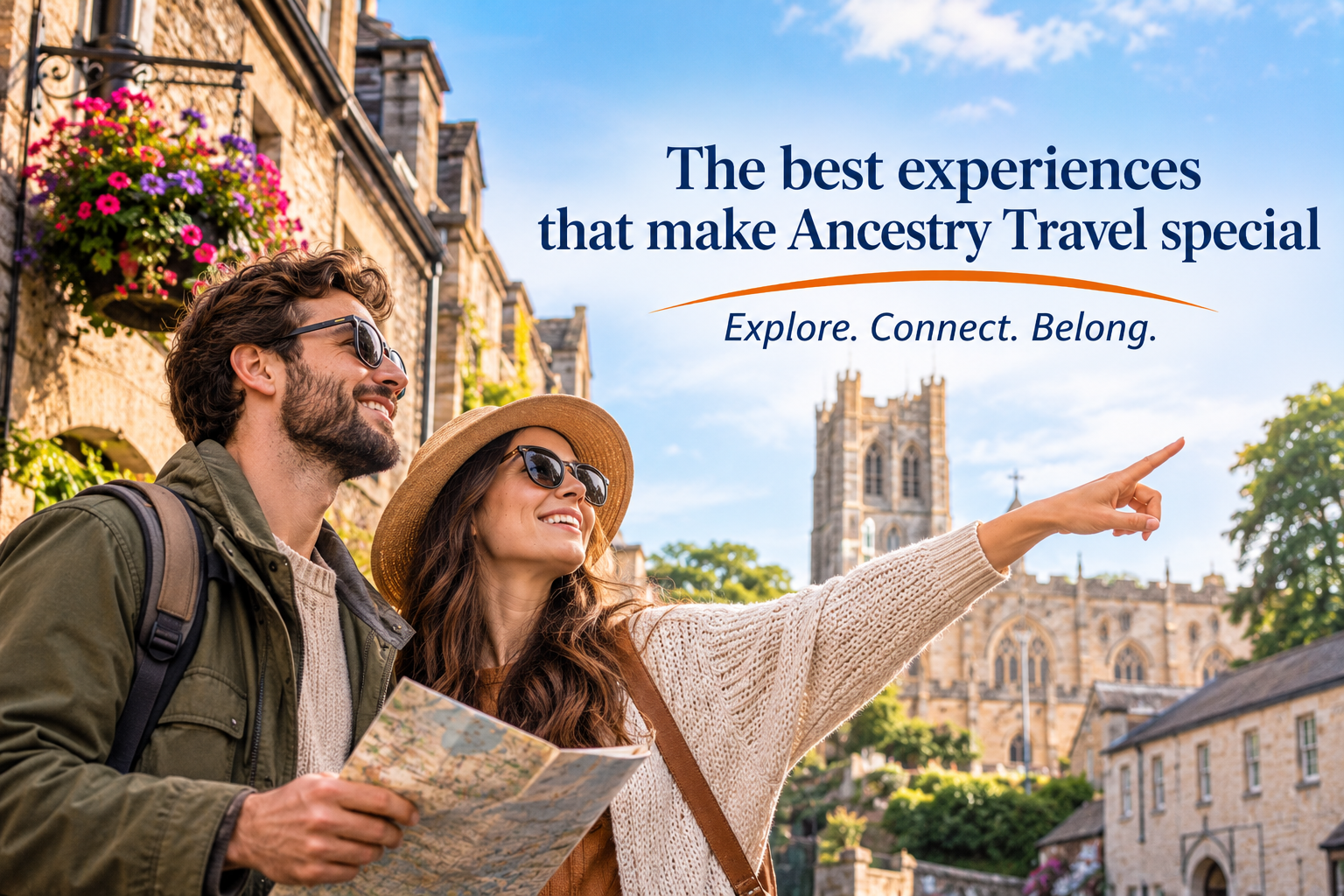
It’s more than just a family holiday to visit their ancestral village. Visitors can delve into the past, visit abandoned neighbourhoods, religious sites, and cultural attractions related to their heritage. Libraries, churches and local record offices can offer valuable information in the form of birth records, marriage records, immigration records and historical registers.
The food experience is another crucial element. Dishes and traditional cooking techniques from a region can carry cultural traditions from one generation to the next. Travelers can participate in cooking courses, go shopping at local markets or try out family recipes that have been handed down through the years.
Other trips involve unexpected reunions with family, too. Researching genealogy and family records can be useful for travellers to find family members who may be living in their hometowns. Meeting them can provide opportunities to exchange photographs, stories and memories that may not have been shared for generations.
These trips can be complemented with local festivals and cultural events. Visitors learn about the continuing influence of cultural identities on daily life through traditional music, dance, crafts and religious practices.
Here are a few tips for planning an Ancestry Tourism Trip:
Some prep is needed before heading off on a holiday about the past. Talk with older family members is a good starting point because they might recall the names of the village, stories from the family or historical events. Other clues may be found in old photographs, letters and certificates.
After determining where they think their ancestors might have come from, they can use genealogy software and historical records to plan their research. When tracing connections over multiple generations, it’s important to differentiate between information confirmed in the story and family stories and assumptions.
Visitors should confirm if there are any restrictions on visiting original documents or if there is a need for an appointment in the local archives before travelling. Learning about the sights and activities in the surrounding towns can also aid in planning an even tour.
The ability to be flexible is important because there may be gaps in historical records and it may be hard to find. If a specific research lead doesn’t yield the results they were looking for, then it may still be worth stopping by and checking out the area.
Respect the local communities, private property and personal records of travellers. Not all family relationships will be easy to form and some may not wish to become involved in family research.
The Future of Ancestry Tourism
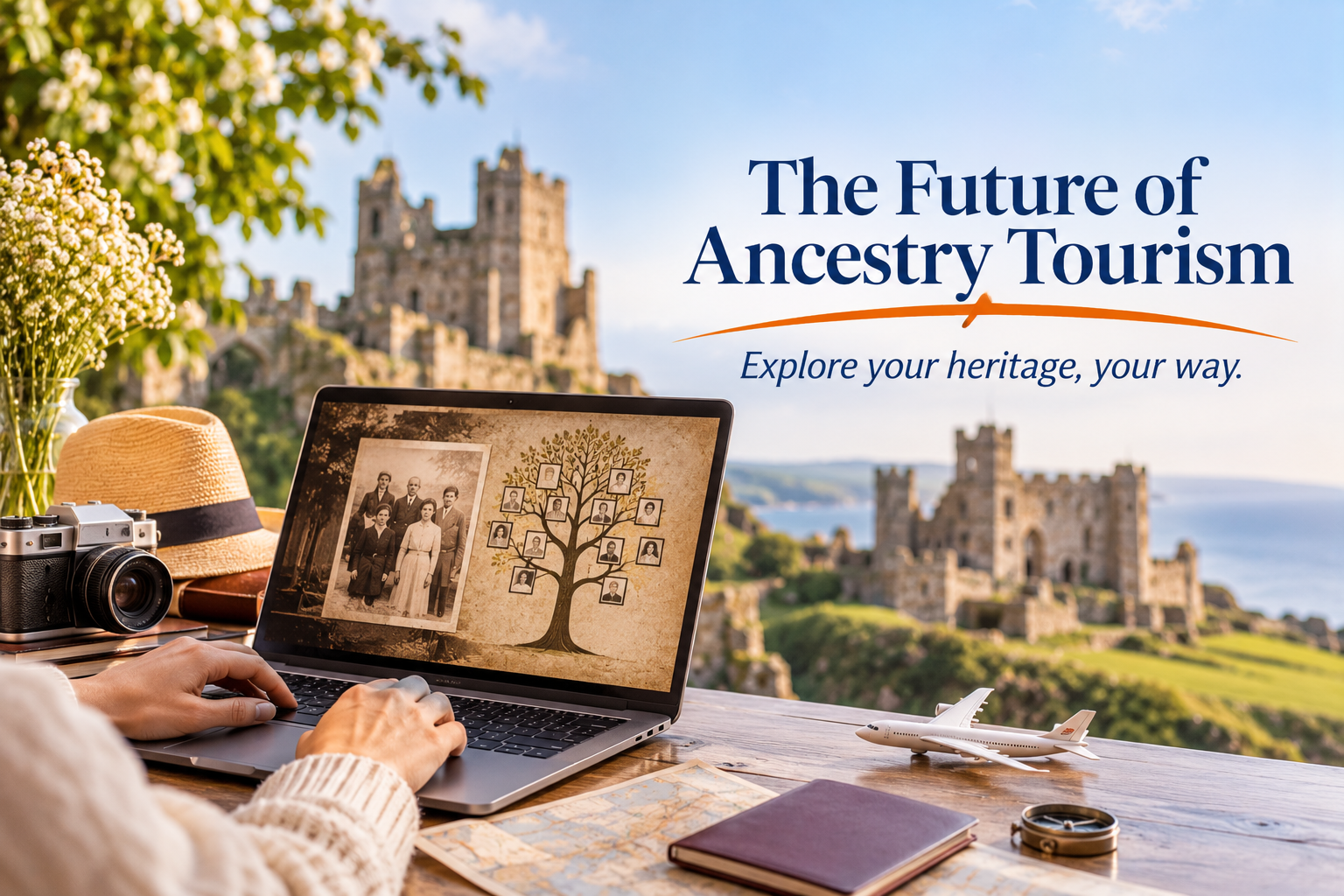
Those seeking to find out more about their family history are making it easier to do so with digital archives, online family trees and genealogical services. These resources will further evolve and travellers will increasingly use old media (local visits) along with new media (online research).
Personalised heritage travel is also becoming an increasingly possibility. Instead of the usual sightseeing itineraries, visitors may create itineraries based on their family names, places of origin, migrations, and cultural interests.
The interest can be tapped in several ways, such as heritage tours, traditional food experiences, museums and family-run accommodation, all of which can benefit local communities. Responsible tourism also can contribute to the conservation of historical buildings, traditions and local archives.
Nevertheless, travelers need to be cautious about providing their personal and genetic data online. When it comes to DNA testing and genealogy services, there are a few points to take into account concerning what they are looking for and how they handle privacy.
A trip that brings past and present together
Ancestry travel is another way to journey the world. It helps to make individuals think outside the box; to explore where they are from, what they do there and what stories there are.
From traveling to an Italian village to discover ancestors to exploring family history in Ireland or studying African heritage in Ghana, with each trip, a fresh perspective on the past is gained.
It can be valuable to the traveller even if not every answer is provided! In conclusion, ancestry tourism is a process of learning about the origin of a family’s narrative and learning how they continue to shape the current.
