
The World’s Greatest Libraries is a photo exhibition

Libraries are typically thought of in terms of books, research and quiet reading areas. But a handful of the world’s most amazing libraries are destinations in and of themselves. Their buildings are stunning, their collections of rare manuscripts, historic collections and centuries of knowledge are preserved, and they are a fascinating place for travellers to explore culture and history.
Whether it’s the ancient libraries that originated the tradition or the imposing buildings that have come to embody the concept of a library, historic structures are a testament to the ways in which societies have captured, recorded, and passed on ideas, traditions, and knowledge across the ages. These locations can offer more than just a sightseeing tour for literature enthusiasts, cultural heritage tourists, and architecture lovers.
More Than Just Places to Read
Libraries have been a great influence in the evolution of civilization. Even before the advent of modern printing methods manuscripts and handwritten documents were meticulously gathered, copied and saved in learning institutes.
Libraries became significant educational, research and cultural institutions over time. Many became associated with universities, royal families, religious institutions and national governments.
Today there are visitors to historic libraries who are curious about the collection as well as the buildings themselves, their art and historic importance. Some have wonderfully adorned ceilings, ornate staircases, and reading rooms of wood which appear to be a great palace.
It is in these areas that users can discover the intellectual and cultural heritage of the societies that have produced them.
The Library of Alexandria: A Legacy of Ancient Knowledge
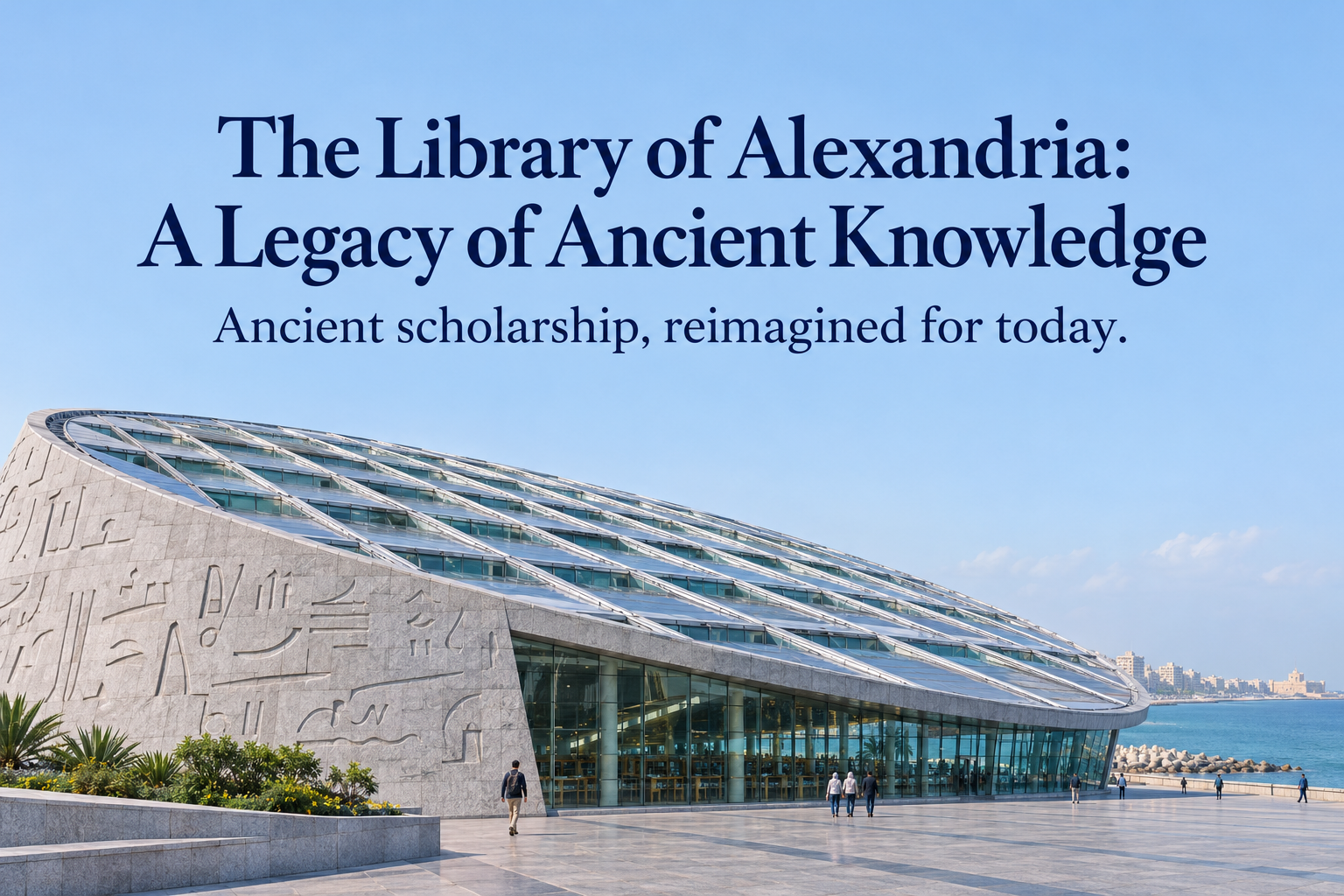
The ancient Library of Alexandria, Egypt, is one of the most famous libraries in history. It was founded at the time of the Ptolemies, when the city of Alexandria aspired to be a centre of scholarship and learning.
The institution aimed to gather works from all over the known world, to compile knowledge on mathematics, astronomy, philosophy, literature and other fields.
The trace of the original library is still visible, and it continues to inspire the historians and researchers who are interested in the history of knowledge, as well as travellers.
Today, modern visitors to Alexandria can visit the Bibliotheca Alexandrina, a major cultural and research institute opened in 2002. It is a modern homage to the ancient library with ample collections, museums, exhibitions, and research centres.
It is a notable building and also plays a cultural role in the exploration of Egypt’s intellectual heritage through its cultural programmes.
The Trinity College Library is a treasure trove of Irish heritage
Trinity College Library is one of the most renowned historic libraries in Europe and is based in Dublin. It is best known for its great bookcases, a high vaulted ceiling and rows of historic books in its most famous room, the Long Room.
The library also has the Book of Kells, an illuminated manuscript produced by the Celtic monks in the ninth century. It is one of the most important surviving examples of early medieval Christian art and has highly decorative lettering and picturesque illustrations.
Visitors enjoy the literature, the religion and the craftsmanship as well as Irish history. The atmosphere of the library is a wonderful illustration of the conservation of knowledge over the ages.
The Long Room is also a landmark building space, and a favorite destination for visitors seeking historic interior spaces and cultural landmarks.
The Austrian National Library (BNL)

VIENNA: The Austrian National Library is one of the most impressive libraries in Europe. The building of its State Hall (Prunksaal), which has large baroque rooms, marble columns and the historic book collections and a frescoed ceiling, is noteworthy.
The library was originally linked to the imperial court of the Habsburgs, and the planned library and cultural aspirations of one of the most powerful royal houses in Europe.
Historic printed items and art from the era are preserved in the State Hall. It is a fascinating place to visit, with its amazing interior, for those interested in architecture, European history and the evolution of libraries.
The institution not only looks great, but it is also an essential repository for Austria’s written heritage.
The Royal Library of Denmark is one of the modern cultural icons in Denmark
Visitors to Copenhagen interested in knowledge and architecture will want to visit the Royal Danish Library. Its rich collections date back to Denmark’s literary and intellectual past and its present extension along the waterfront is commonly called the Black Diamond.
The building’s black granite exterior and modern design provide a contrast to the historic waterfront.
Inside one can visit the exhibitions, cultural events, a library, research and art spaces. The library is a perfect example of how to maintain historical collections while meeting the current cultural demands.
It’s an especially interesting attraction for people who value modern-day architecture and history.
The Bodleian Libraries: Exploring Oxford’s Academic Heritage

Bodleian Libraries, Oxford University, is one of the oldest and best academic library collections in the world. They have a history that goes back to the early seventeenth century but the university’s older library traditions go back far earlier.
The Bodleian’s historic buildings, such as the Radcliffe Camera, are iconic features of Oxford’s architecture.
Rare books, manuscripts, maps and other historically important materials are available in the collections. These resources have aided generations of scholars and researchers.
For visitors, it is a chance to get a taste of the university environment in the world’s famous university city of Oxford. Visitors may be required to take guided tours and/or exhibitions to gain access to certain buildings and reading rooms, and to arrange visits to ensure access to these resources.
The Library of Congress is a monument to American knowledge
The Library of Congress is the national library of the United States, and one of the largest collections of libraries in the world, located in Washington, D.C.
Its Thomas Jefferson Building is particularly famous for its grand architecture, decorative interiors, murals and elaborate reading spaces. The establishment of the building is a testament to the nation’s dedication in keeping knowledge, literature and history.
The library possesses a tremendous diversity of materials, such as books, photos, maps, manuscripts, recordings and historical documents. Its collections are used for research on any subject from American history to international culture.
People can enjoy exhibitions and public areas, and it is a cultural attraction for those travelling to the United States capital.
It is essential to have them preserved

Historic libraries are a different kind of travel experience. Rather than being about entertainment and outdoor pursuits, they are principally about the intellectual and cultural growth of a place.
One of their greatest interests is architecture. The design of libraries varies according to the style of the era in which it was built, ranging from the Baroque-style halls to the Gothic style interiors and the contemporary style.
They are also a source of information about local history. Rare manuscripts, historic maps, early printed books and archival documents document how societies shared ideas, recorded events, and preserved their identity.
These places have special significance for students, researchers and literature lovers. These extraordinary places are not reserved for academics; visitors with little or no academic bent will enjoy their atmosphere and craftsmanship.
Planning a Library-Themed Journey
Visitors should check visitor arrangements before visiting historic libraries of interest. Other institutions have limited open access to certain halls and exhibitions, and may require entry by guided tour or advance reservation.
It is also imperative to be aware that access to reading rooms and research collections might be different. Certain areas are reserved for registered researchers, students or authorised users.
Policies, opening times and admission charges may vary by photography.Policies, opening times and admission fees vary by photography. It is important to confirm official visitor details before travelling to ensure a visitor gets the most from his or her visit.
Also, pairing a visit to the library with nearby museums, universities, historic areas and culture-scenes can make for a full day’s adventure.
Libraries as cultural destinations in the future
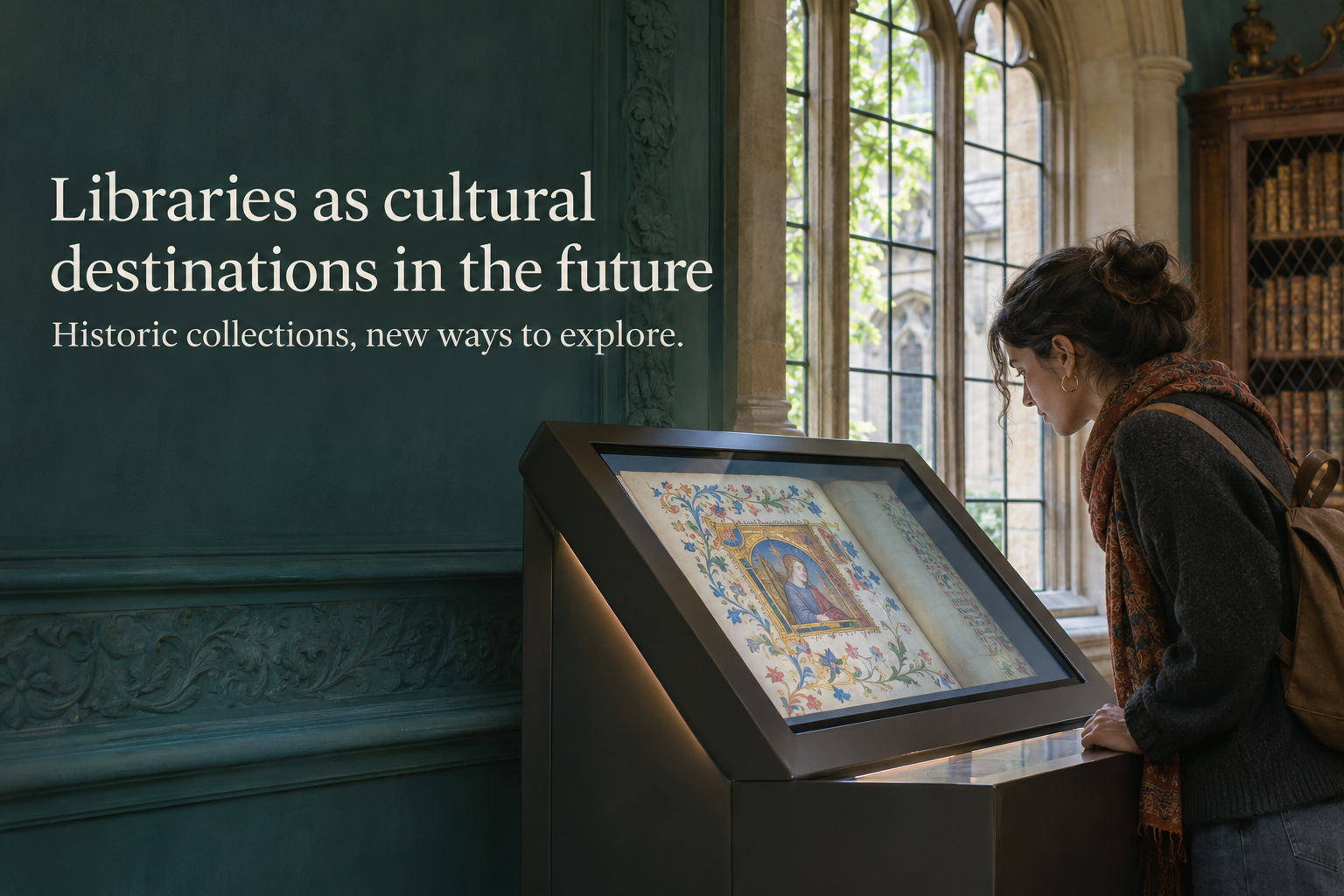
The library remains in a constant state of transformation as technology advances and the way people gather, access and share information evolves. The ways in which historic knowledge can be explored are growing, including through digital collections, online archives and interactive exhibitions.
But physical libraries are still significant, for the original materials, the architectural heritage and spaces for cultural exchange. They are not just the information in them, they are the history of human curiosity and the desire to learn.
With the rise of cultural tourism, historical libraries are expected to become popular tourist destinations for those looking for more than just sightseeing opportunities.Continuing development of cultural tourism will bring more visitors to historic libraries who are looking for more than just sightseeing opportunities.
These institutions are a journey through centuries of ideas, creativity and discovery for travellers. From a great reading room in Vienna to the quest for literary history in Dublin, a historic library is a reminder that some of the world’s greatest treasures are not monuments or landscapes, but the knowledge stored within libraries.
