
The world’s most remote luxury resorts!
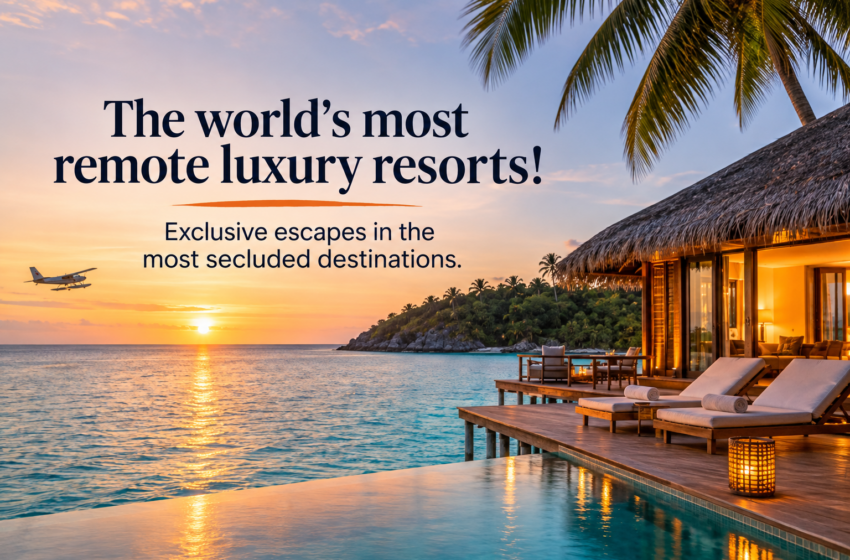
Envision waking to the sound of the waves, without any busy roads, packed streets or city buildings. The closest neighbour could be several kilometers away and to get to the resort you may need to take a private boat, seaplane or traverse mountainous areas. For those who prefer a more private and exclusive setting with unique experiences that are not offered on a typical holiday, remote luxury resorts offer a level of experience that is not common in conventional holidays. These properties are situated in isolated islands, deep in the woods or spread across great deserts and offer luxury hospitality and an escape from others.
However, what sets these locations apart and how do they provide luxury without the amenities of contemporary urban living?
Luxury is not just within the conventional tourist experience
Luxury hotels are typically found in high-traffic areas, such as tourist hotspots in coastal areas or in known holiday spots. The opposite strategy is taken by the remote resorts and these accommodate guests in natural surroundings.
Some are set on private islands and others are located in mountain valleys, deserts or out-of-the-way sections of the coast. They are attractive due to the sense of isolation from the normal day-to-day.
The ride itself can be a part of the adventure for guests. A journey to the property by boat, small aircraft or a private transfer in a remote area evokes a sense of anticipation even before the property is reached.
These resorts are more than just a place to sleep in a beautiful location. They are based on the concept that the trip to the destination will become an integral component of the vacation.
The private island resorts are nestled around the ocean
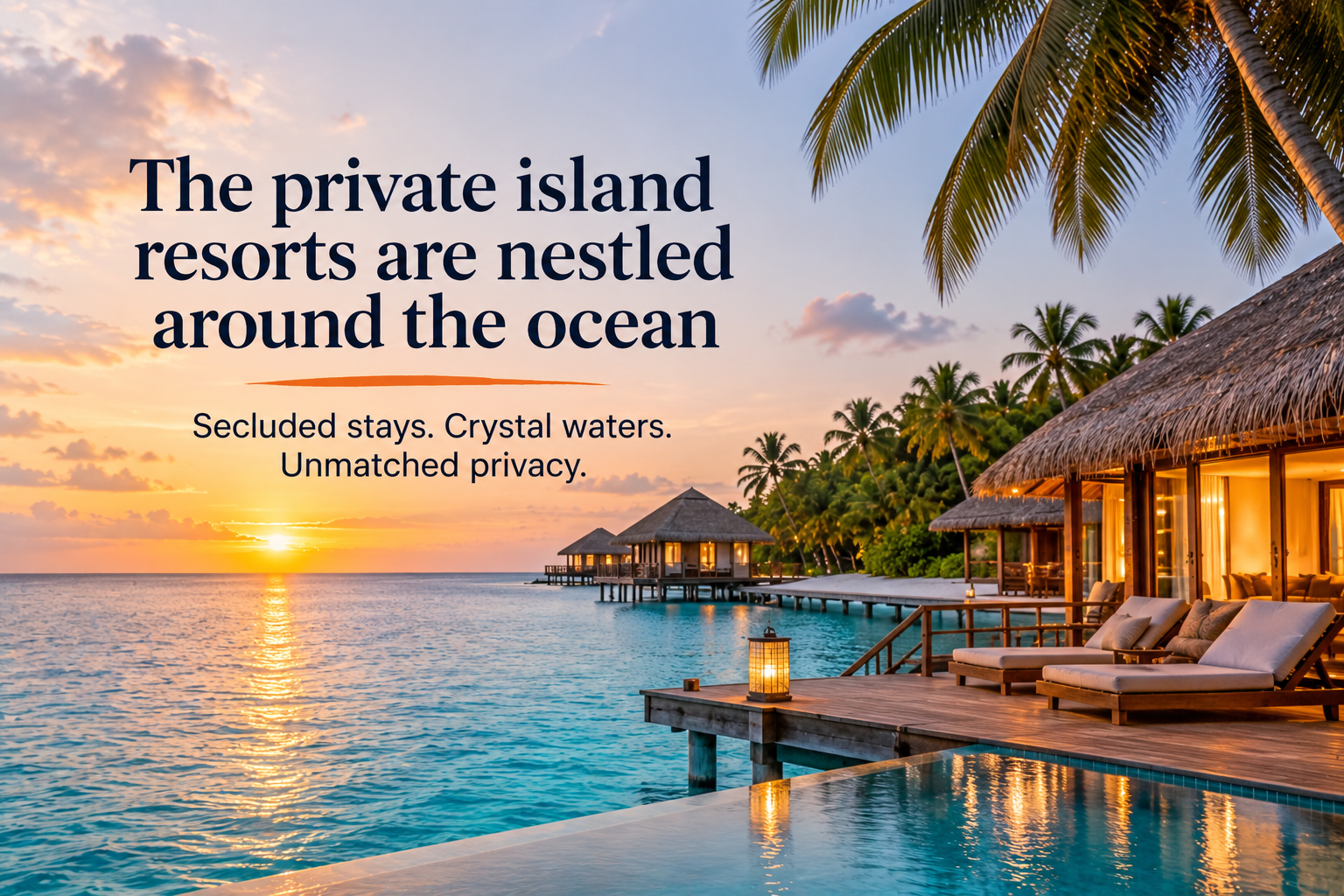
The most widely recognized form of remote luxury is the private island resort. Other island regions, such as the Maldives and Seychelles have properties surrounded by clear water, coral reefs and beaches, away from the hustle and bustle of the urban area.
Over water villas, private pools, direct access to the sea and personalised dining experiences are part of accommodation. A few resorts offer charter boat trips to nearby islands, and others offer snorkelling and diving trips around local waters.
One of the main attractions is privacy. Visitors can choose to have a less hectic vacation with less outside distractions and more control over their surroundings.
Running a luxury resort on an isolated island, though, is no easy task, however. Care needs to be taken in the management of food supplies, maintenance materials, staff accommodation and energy systems. It may seem like a simple task to the visitor, but it takes a lot more work than it sounds.
Luxury is concealed in the mountains of the world
Out-of-the-way resorts provide a totally different experience. Now there are dramatic peaks and forests, valleys and ever-changing weather, rather than tropical beaches and warm ocean breezes.
Swiss Alps properties, Himalayan properties and Dolomites properties are popular for travellers who enjoy nature and amenities.
Some mountain retreats are dedicated to wellness, offering spa services, thermal experiences, and outdoor activities or relaxation areas for a peaceful and enjoyable experience. Others provide opportunities for hiking, skiing, watching wildlife and local happenings.
Architecture can be a very significant factor. Buildings are integrated into the surroundings with natural stone, timber and big windows and open terraces creating a protective barrier against harsh weather.
One of the most luxurious things in these places might be the chance to get close to nature without sacrificing comfort.
Silence is an experience at Desert Resorts
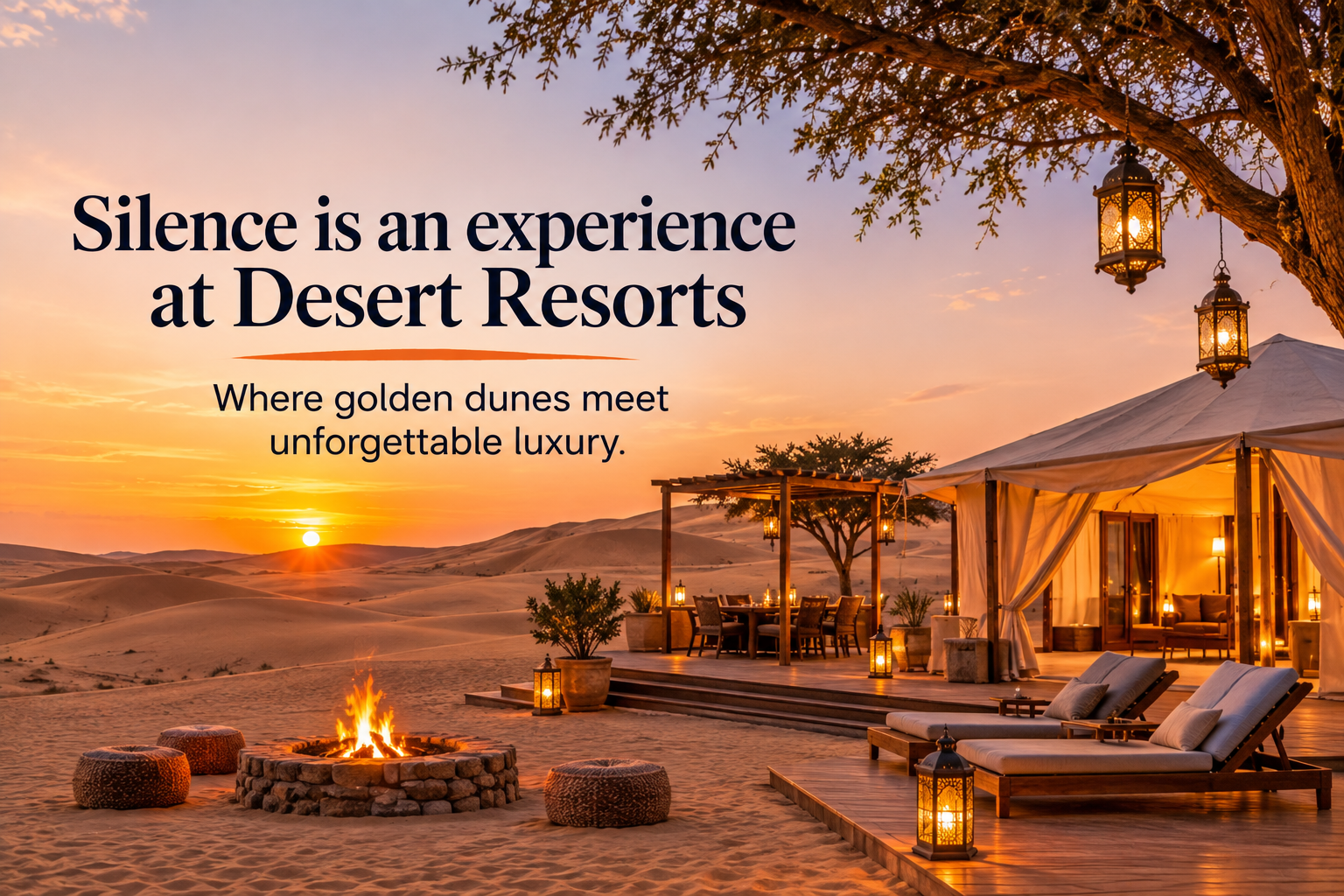
The beauty of open landscapes, dramatic sunsets and expansive night skies is at the heart of desert resorts. In the Middle East and elsewhere, the locations are renowned for harmonising traditional architecture with modern hospitality.
Rooms available include private villas, luxurious desert hotels or tents equipped with modern amenities. Experiences may feature desert hikes, star gazing, culture and eating under the stars.
The setting has a unique ambience. The sun can bring out the colour in the landscape during the day, and evenings can be cooler with excellent night-time viewing of the stars.
But there are water usage, cooling and environmental considerations that must be taken into account in the desert. In the case of responsible resorts, comfort for guests and limitations on fragile desert ecosystems need to be balanced.
Discover the design secrets of remote luxury
For many isolated resorts, their identity stems from their architecture. Designers do not design buildings that overwhelm their environment; instead, they seek to make buildings part of nature.
Daylighting, local materials, natural ventilation and views are frequent features. The use of raised structures to minimise disturbance to sensitive ground environments and the use of traditional building methods adapted to local climates are incorporated in some properties.
Simple interior design paired with quality details. Handcrafted furniture, local art, natural fabrics and locally sourced materials add to a sense of place.
Technology also enhances the guests’ experience. Convenience services like smart lighting, stealthy temperature control, and quality connectivity and digital concierge can be incorporated without making the property feel commercial.
Its intent is to provide contemporary conveniences with the surroundings remaining focal point.
Resorts offer personalised hospitality in many ways
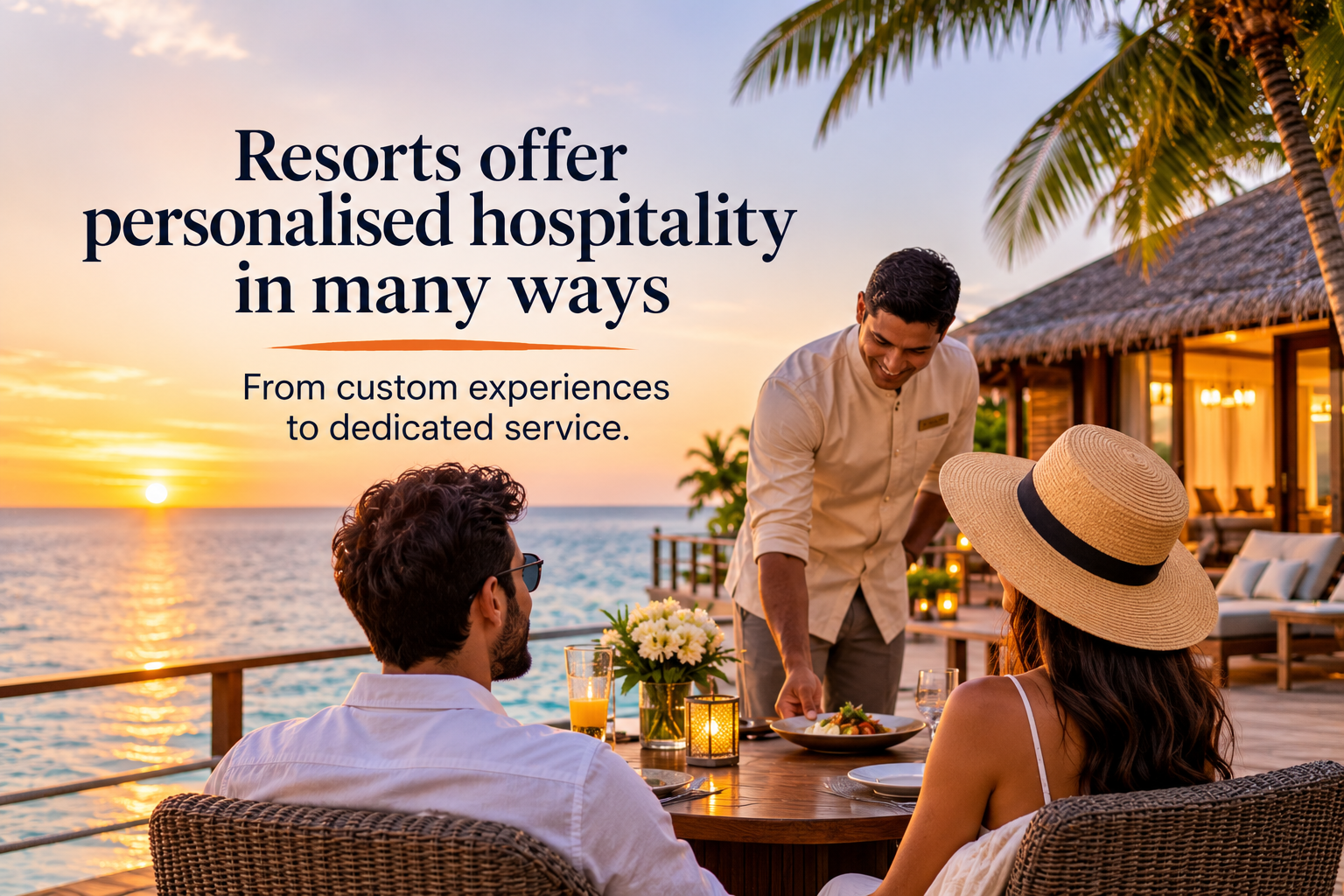
In most cases, remote luxury resorts have fewer guests than big hotels, which they can provide more personal services to.
Staff can be knowledgeable about the preferences of guests and can plan private trips and organise food to suit individual needs. Certain accommodations provide butler or dedicated hosts to arrange various other facets of a visit.
Eating can be more of a choice. Meals may be served on a private terrace, by the ocean or at a designated spot within the resort.
There’s a high degree of coordination needed for this level of service. Even when you’re just asking for a small thing, in remote areas, it can take time to prepare or have special supplies or make other arrangements to get to the site.
The quality of the hospitality then not only relies on the visible luxury but also in the way it is planned and operated.
The most difficult aspect of this endeavor was landing on remote resorts
Access to a secluded luxury home isn’t necessarily easy. Others will have to fly twice and then board a boat, others will take private planes or long road trips.
Access may be impacted by weather conditions, especially in island and mountain areas. Transportations may be only available at certain times and often you will have to arrange your travel to fit the transportation schedules.
Such difficulties make remote resorts special, but they do need to be prepared for.
Transfer arrangements and any travel insurance requirements should be checked, as well as the weather at the time of travel and coverage of medical assistance, before booking. It is also crucial to know if the meals, activities and transfers are covered by the accommodation fee.
A nice place can be a memorable holiday, as long as you do the practical planning right.
The luxury industry is embracing sustainability as a central part of its operations
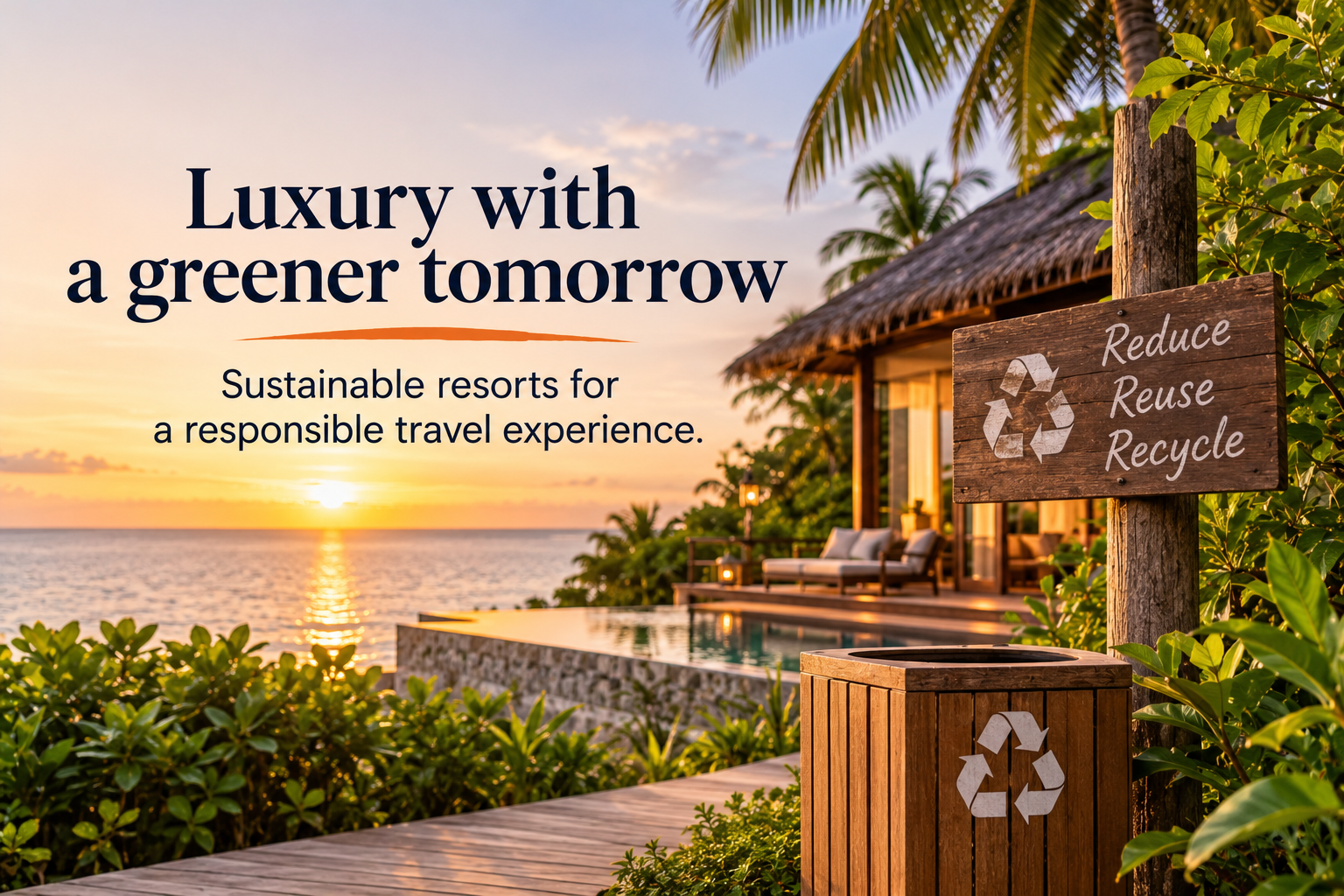
Resorts that are located far away may be in sensitive environments. Construction, waste, water use and visitor numbers can impact coral reefs, forests, and mountain and desert habitats.
This is why sustainability is crucial to responsible luxury hospitality.
Some resorts invest in renewable energy, water treatment, waste reduction and locally sourced ingredients. Some work on conservation programmes, others hire local community members or partner with local groups to manage natural areas.
But claims of sustainability need to be considered with care. Eco-friendly does not necessarily mean environmentally friendly.
Visitors will find opportunities for transparency around energy consumption, water conservation, partnerships to reduce impacts, and engagement with the community. Luxury should be responsible rather than merely aim at the guest experience; it should take into account the long-term health of the destination.
Why Remote Luxury Is Becoming More Appealing
However, the charm of the remote resorts is linked to evolving notions of luxury. For some travelers luxury is no longer restricted to high-end interiors, luxurious facilities or high-end addresses.
The importance of privacy, personal space and access to amazing natural surroundings is growing. A peaceful morning with a view of the ocean or a quiet evening under a clear night sky can be more precious than a lot of noise, activity and chaos.
People who wish to get away from hectic, busy life also prefer remote resorts. While there are a number of properties with great digital connectivity, their setting is a positive influence on guests spending more time outside and enjoying a slower pace of life.
These locations can offer a unique backdrop for couples, families and travellers with special dates, making them an ideal location for creating a memorable atmosphere.
Before booking, make sure to consider the following

Not every holiday is a suitable holiday for remote luxury accommodation. The length of the trip, transfer fees, weather and facilities at the hotel should be taken into account.
Also make sure that the resort has no children’s, mobility or older age restrictions. Access to nearby hospitals and other essential services is limited at some locations.
Cost is dependent on destination, season, type of accommodation and quality of service provided. You can avoid any surprise charges by knowing what is covered in the booking.
Most importantly, tourists should select the resort, which suits their experience. The tranquility of a remote island might be the best choice for relaxation, and the mountain lodge might be more popular with those who enjoy outdoor pursuits.
The Future of Remote Luxury Travel
With the ongoing trend of travelers looking for unique experiences and privacy, remote luxury resorts are expected to continue to be popular. The technology of renewable energy, water management and building technology can also help to operate high quality accommodation in difficult conditions.
Meanwhile, more focus will be given to responsible development, and to the linkages between tourism and local communities.
The most successful properties will be required to provide more than spectacular views and high quality amenities. They will be required to prove that luxury hospitality is possible in an environmentally sustainable and respectful way in the places where it happens.
So the idea of the world’s most remote luxury resorts is to somehow make one feel like there is a way to escape. They offer travelers a chance to enjoy the incredibly beautiful scenery, and modern comforts with thoughtful service. In the luxury sense, it’s not about having more, it’s about experiencing a place in a different way.
