
Sports is changing the way we travel
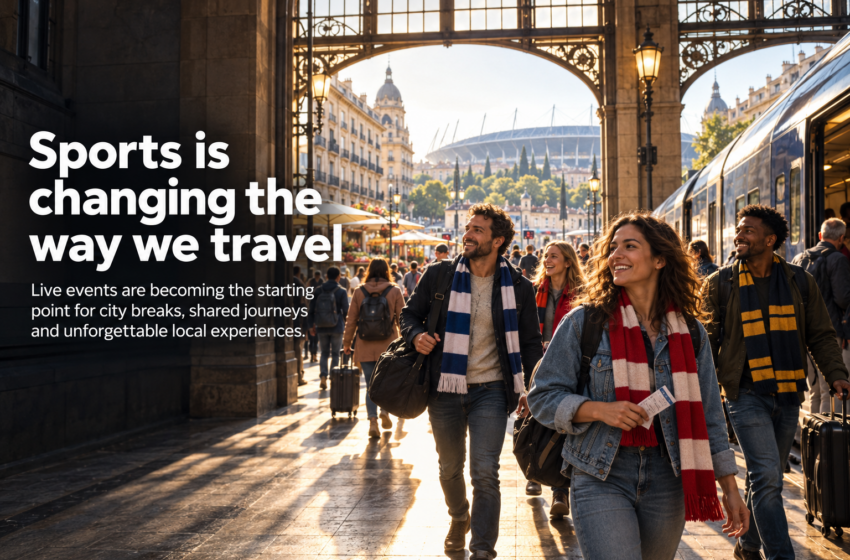
Many people start off their trip planning with the destination’s landmarks, food or scenery. One fixture, however, is taking the decision more and more as it becomes a part of the sporting calendar. A football match, tennis final, motor race or international tournament can convince people to go beyond the boundaries, to reserve hotel rooms, and create an entire vacation based on a couple of hours of watching matches.
This is sports tourism: Tourism based on attending or taking part in sporting events, in part or in full. It brings live entertainment and hospitality together, business and transport and provides visitors with an excuse to experience a place through its sporting culture. Sport is contributing to the planning of travel in ways that have never been seen before and is playing a growing role in engagements to major events that are seen the world over, while supporters are looking for more fulfilling experiences.
The advantage of an event for travellers is that it provides a handy focus for a journey, to help set dates for group visits, and to make a journey more fun by creating a focal point for sightseeing, eating and finding other things to do while there.
From Match Tickets to Travel Plans
For many fans, a match used to be a journey to their local stadium. Nowadays, it can be a regular weekend that becomes a destination to break through the international competitions and club games. A fan may go to watch their team compete in a different nation, watch a Grand Slam tennis tournament or even attend a motorsport race.
The location and dates are frequently set before any other. The travellers then schedule their flights or trains, accommodation, meals and activities around the schedule. Some visit the city too early, others stay longer to see more of the surrounding area or come to see more than one event.
Sport can also provide an opportunity for people to travel for a common cause. Friends, families and supporter groups can organise a trip together on a shared interest, experiences on the road can become part of the trip.
The Economic Impact Beyond the Stadium
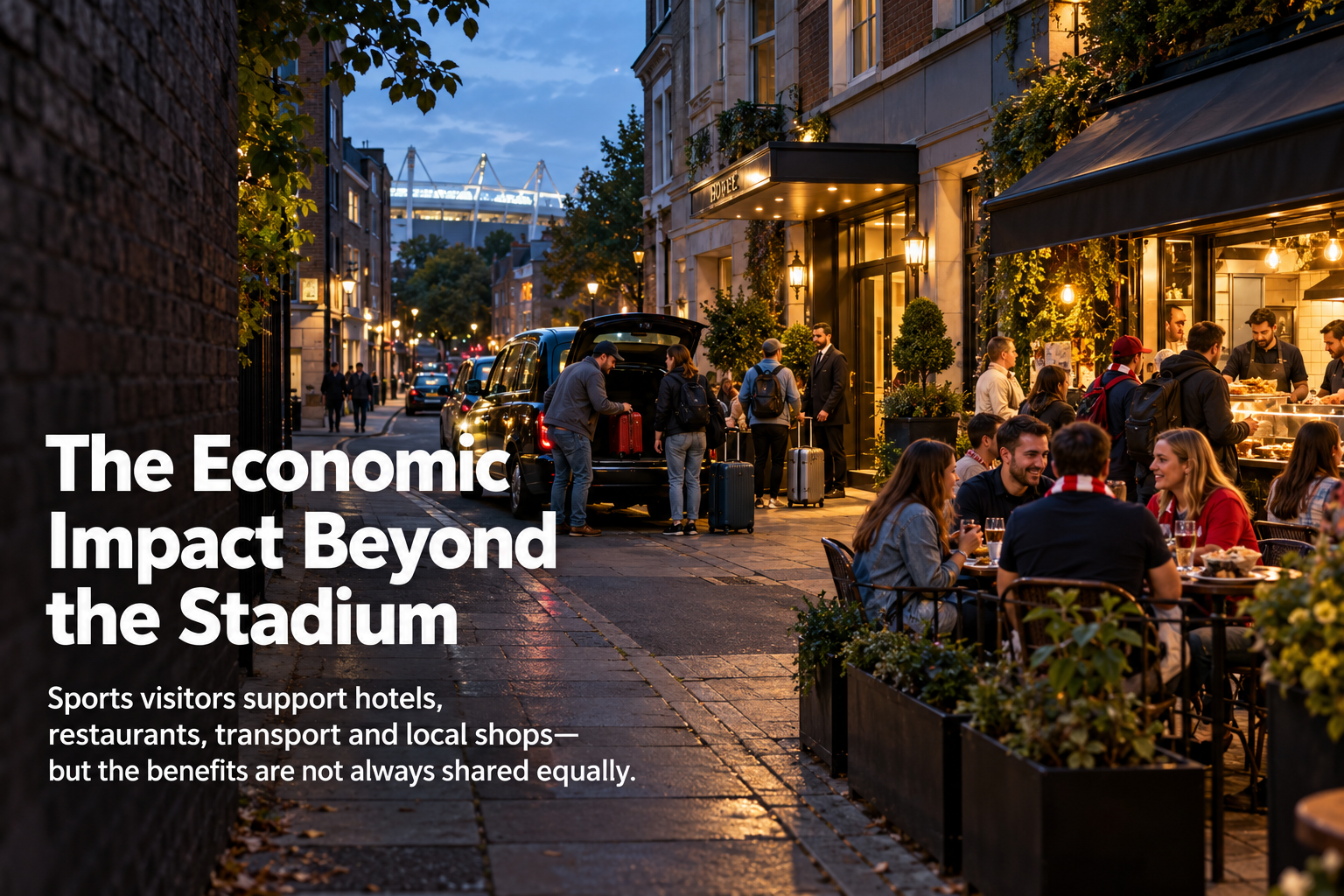
The impact of sports tourism goes far beyond revenues from ticket sales. The hotels, restaurants, local transport, shops, and attractions are filled by visitors.
A big game can also bring a new group of fans to a city that they may not have thought of visiting.
But the economic effects are not necessarily shared equally. Attendees can remain within the venue, take advantage of any official transport, and spend considerable time within event zones. Businesses in the vicinity of the stadium could benefit more than other businesses. Cities can share the benefits by encouraging local experiences, by disseminating information about transport and making it easy to find places to explore beyond the competition site.
Event costs also need to be taken into account. Investment is needed for security, transport and temporary facilities and public services. But a busy stadium does not guarantee that all events are profitable for the host city.
Football is a team sport
Football has one of the most significant influences on sports travel, as fans can form a strong emotional bond with teams. It’s a lifelong dream for some to go to the famous stadium. Others go with their team to play in domestic leagues and/or international matches, even if the trip involves lots of time and money.
This extends to Stadium tours and club Museums on game days and out of them. These levies are to bring in revenue to clubs when the team is not at home.
Major tournaments such as football make a different pattern. Many country visitors come in from various nations in a very short span of time, creating a demand for lodging, transportation and public gathering areas.
More Than Football
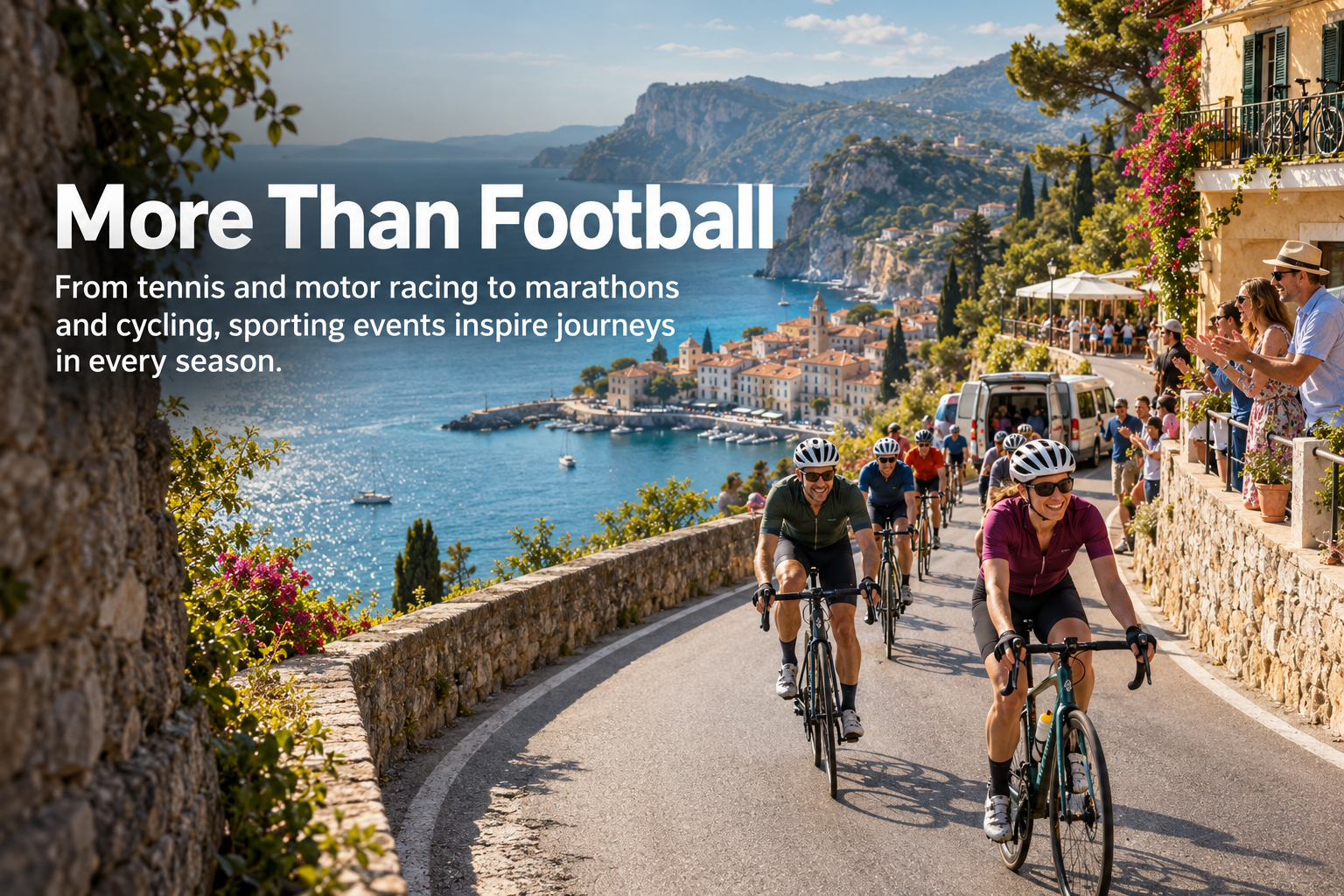
Sports tourism is so much more than football. Tournaments draw in tennis enthusiasts to see a few games in a day, and learn about the host city in between. Formula racing attracts spectators to circuits which are not necessarily located in major urban centres and this can generate demand for transfers, hotel accommodation and organised experiences.
Runners and cyclists may show up at marathons and rides, too, as well as watch. Riders can attend a race for several months, and then remain for extended periods once the races are over to explore the area.
This variation is important for establishments looking to draw tourists throughout the year. If a city has a good sporting calendar then it can attract various groups of people in various seasons, or if it has a smaller population, one good event may be enough to please the people.
The Rise of the Complete Sports Experience
For many fans, going to the event is just a part of the trip. They might want to see a stadium tour, go around a team’s local area or sample regional cuisine or get to know other fans in the local pubs and fan areas. The travel companies can react by developing packages that include travel tickets, hotel, and local activities.
These packages can make planning much easier, particularly for people who are not used to this destination. But the travelers need to know what is included, whether tickets are guaranteed and what will be done in case of changes in the schedules. Official channels for ticketing and clear terms and pricing minimize scams or hidden fees.
In some places, sport serves as a vehicle to convey a larger message about local identity. A city can link a stadium visit to its industrial background, architecture or food culture.
Prices, Crowds and Accessibility
Traveling to popular sporting events could be costly. Thousands of fans bidding for hotel rooms can result in high hotel prices, and flights and train tickets can be sold out. Tickets can get expensive, especially if the event or finals is small. Those who are not too strict with their budgets may opt for less central dining facilities, and either travel on different dates or watch less popular games.
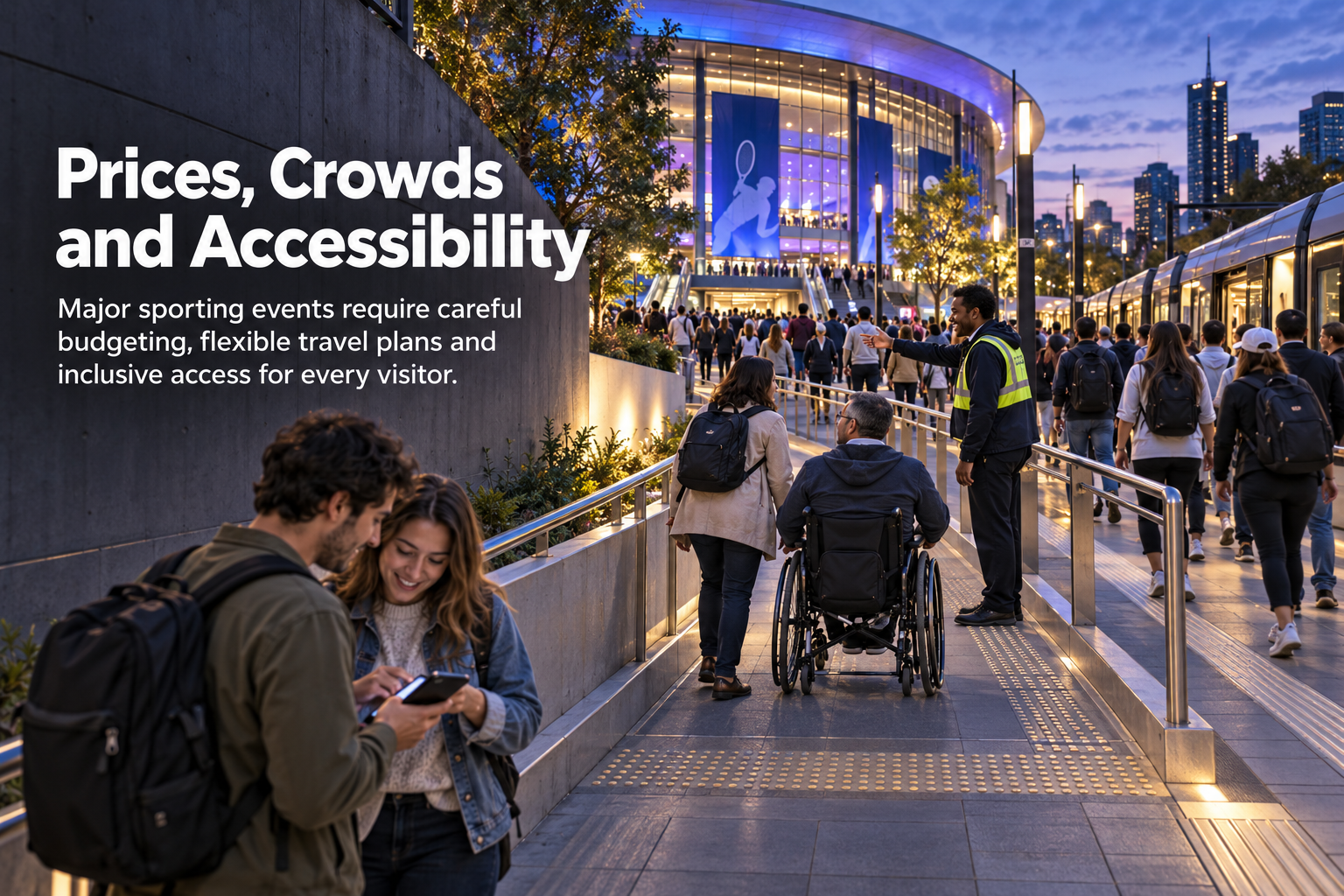
There can be other problems when there are crowds. For some events, it may be crowded on public transport before and after the event, roads may have to be shut down and restaurants may need reservations.
It’s also essential that it is accessible. Visitors may require step-free access, accessible seating, clear information about facilities/sensory support. Communication of these details by event organizers and tourism providers assist more people to participate.
Sustainability is the future of sports travel
Long-distance travel, temporary facilities and high attendance at sporting events are common occurrences at International sporting events. Travel can have a major environmental impact, particularly when people travel by aircraft for one match. By providing better public transport, a shuttle service and encouraging extended stays or making use of existing venues wherever possible, the impacts of the event could be mitigated by host cities and organizers.
A legacy is also a part of sustainability. If the stadium/field is not known to be used after the game, the equipment can be costly to maintain. To use existing infrastructure and make investments in transport and public space services that residents continue to use can be more beneficial in the long term.
Digital tools will probably have a further impact on the experience. Tickets and transport updates, maps of venues and personalised recommendations can all be offered through the apps. However, technology will not make up for the trust and reliability of organisation, clear information or the thrill of being there amongst other fans.
When Sport Becomes the Destination
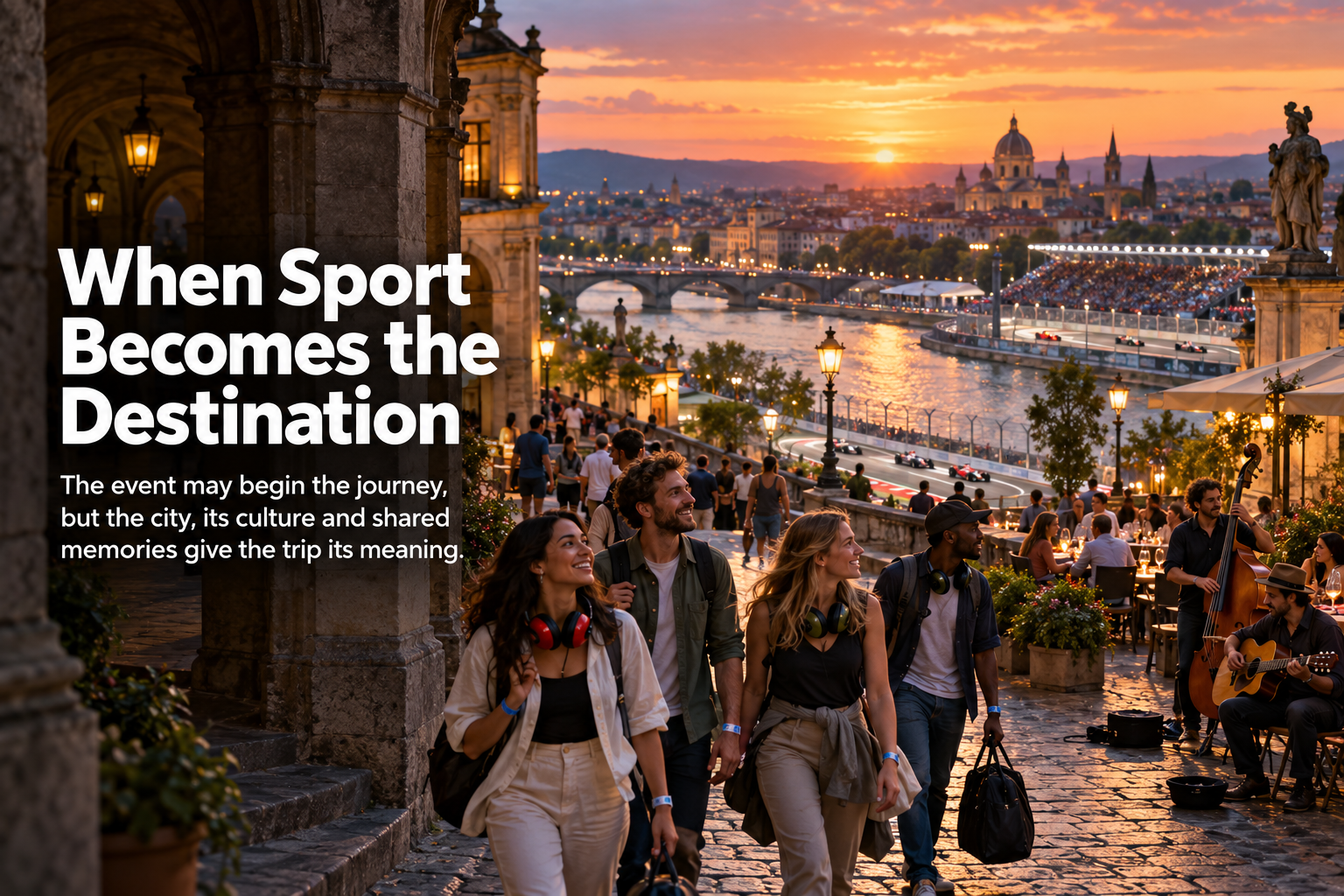
The excitement of live sport has a strong incentive to people travelling as it adds competition, emotion and a sense of occasion. A match or a race can transform a city into an instant gathering ground for fans from all over the world and give hotels, restaurants and transport companies and local attractions a chance to thrive.
However, the importance of sports tourism is not just about numbers. Costs must be managed, residents must be able to access the services they need, and events must be accessible and impact on the environment must be planned for. Businesses should provide fair prices and provide clear information, visitors should know the practical information before making a booking.
These elements, when combined, can make sports a portal to travel. Whether it’s a ninety minutes’ football match or a few laps around the circuit, fans come to watch a game and go home with memories of a city, its people and its culture. The event is the beginning of a journey, the end of that journey is what it means.
