
Why Ferry Travel Deserves a Place in Modern Holidays
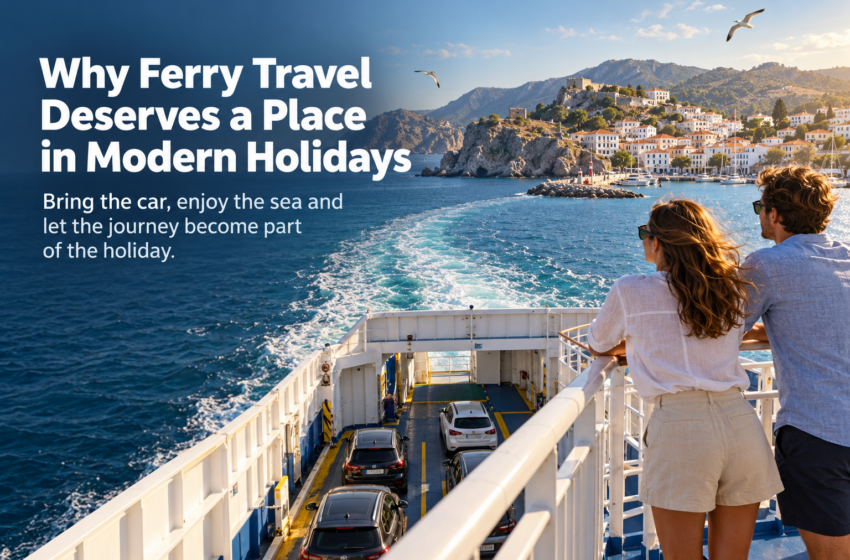
When traveling in the modern period, a lot of people seem to be concerned with getting to their destination rapidly. Flights are fast, trains are convenient and road trips are flexible. Ferry travel is different, however, in that it provides one with the freedom to enjoy the ride while being transported from place to place. Ferries link places that may be hard to get to, from the Mediterranean to far-flung islands. They are also suitable for passengers to bring their cars with them, offer views of the sea, and provide a more relaxed form of transportation. Ferry travel is an area that needs to be developed as a more interesting means of travel for holidaymakers.
More Than a Way to Get There
For many travellers a ferry is just a practical method of getting from point A to point B. Carries passengers between the mainland and an island, connects coastal cities or crosses a narrow body of water. The experience can be, however, an important component of the holiday itself.
Passengers on ferries can enjoy open decks and panoramic windows and see the coastlines come together; unlike air travel, they spend most of their time on board in the cabin. Passengers are able to travel, eat and drink and watch the scenery change during the crossing. Eating at restaurants, lounges and sleeping cabins can make even the longest of trips feel like a short cruise.
The appeal is based on the route and the ship. A short crossing can be a simple transfer whereas an overnight sailing could be an opportunity to relax and enjoy the sea. Either way, ferry travelling is a transition between destinations that can be fun, even on its own.
Discovering Places Beyond the Main Routes
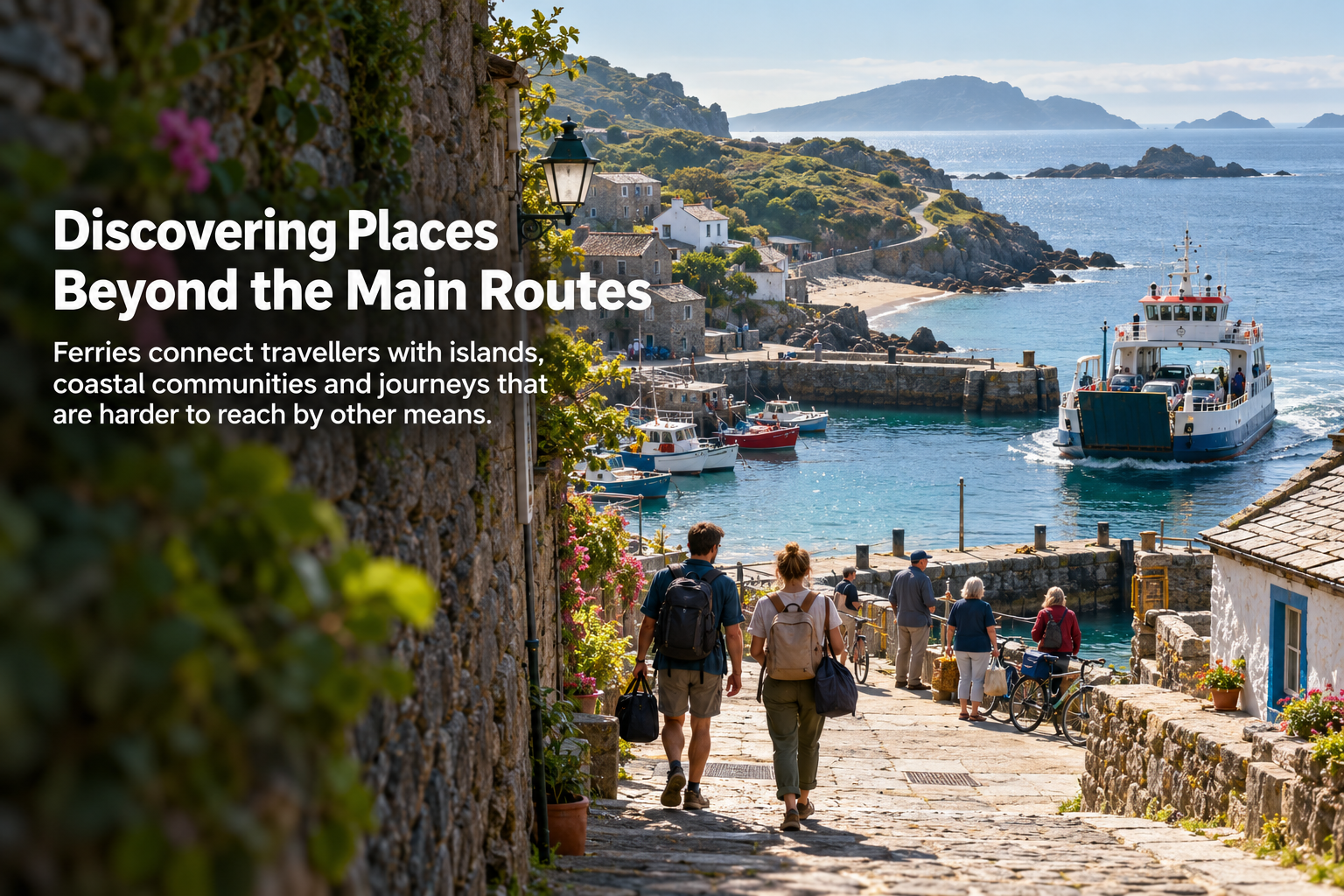
Many island destinations can be reached without the need for a flight by using a ferry. They link the mainland ports with the island beauties of beaches, villages, historic towns and coastal scenery in parts of Europe. In other parts of the world, ferries are used to transport people in remote communities where bridges or frequent air services are not feasible.
This type of access can facilitate people to visit locations which are not easily accessible. A trip can include a trip through a bustling port before landing on a more serene island where the way people live and travel around is distinctly different from that of the big city. The crossing becomes an entry point to experiences which would otherwise be more complex to organise.
Ferries also can make multiple connections within a holiday. The travellers can choose to stay in the mainland and spend a few days on an island or a trip around several coastal communities. You do need to plan for such journeys, but not necessarily 100 percent of the time.
Driving is a privilege
Another of the most feasible benefits of ferries is that you can actually take your car on many of the ferries. There are no restrictions on what travellers can transport with their luggage, sports equipment or other belongings as is the case with some public transport options. They are free to explore the beaches, villages and countryside after they have landed, outside the main port.
This can make it easier for families to organise their holidays. Parents may want to have familiar items around them, and groups may split the travel and lodging expenses. For those travelling with bicycles or outdoor gear, the availability of vehicle ferries may also prove useful, depending on operator’s regulations.
But a ride in a car isn’t always the least expensive way to go. There are a number of factors that can influence the cost of vehicles, as well as fuel, tolls, parking and insurance. For travellers, the total travel is the relevant cost and they should consider the whole trip not only the car hire.
A Different Pace of Travel

Ferry travel promotes slower travel speeds between destinations. Rather than seeing every minute as a time to save, passengers can be treated to a time to rest, to read, to eat or simply to watch the sea. On a longer voyage, the voyage itself can provide a natural break or transition point between the everyday and what awaits at the end of the day.
This is particularly appealing in some holidays that focus on relaxation. Travelers don’t need to cram all the time they are traveling into sightseeing and the time in the air can be an opportunity to enjoy the journey without the hectic pace.
Not all ferry crossings are peaceful, though. Buses can be full, weather conditions could impact comfort and rough seas can make some people uncomfortable. When taking a trip, travelers need to take into account the time for the crossing, the seating and in-ship conveniences offered.
Understanding the Cost
Ferry fares are subject to these factors: route, season, departure time, number of passengers, and if a vehicle or cabin is included. Access to short crossings could be relatively cheap, and to the popular routes during summer holidays, it could be relatively costly. Private cabins may well be much more expensive than regular passenger fares for overnight travel.
Earlier bookings may help travellers to book their preferred time of travel and rooms, especially during peak times. Also, be open to flexible dates, as this might give you a better choice. It is important to note if they are with a reserved seat, or if they are able to go into the cabin or if they are allowed to travel with pets or extra vehicle charges.
The overall expense must be compared to realistic alternatives. A car may be rented at the destination, unless a car is not useful to the trip. It may be more convenient for foot passengers on routes where public transport is available.
The best value is to book the crossing to fit in with the holiday, not necessarily the cheapest option, and take into account arrival times, transfers and onward travel.
The Onboard Experience
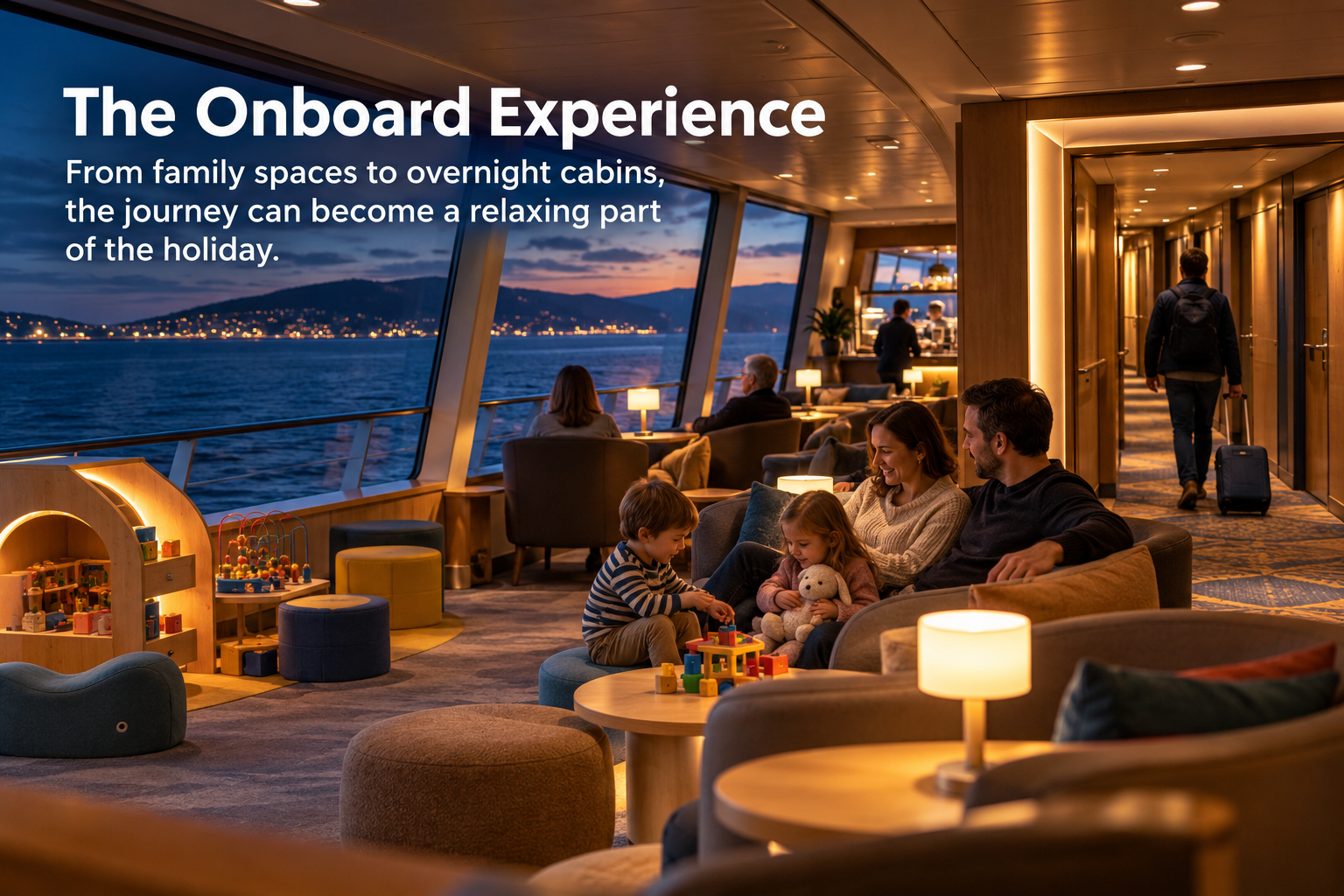
There is a wide range of types of ferry facilities. Small and medium-sized ships might have just the seating and a small café and larger vessels may also have restaurants, shops, family areas, lounges and cabins. However, some overnight ferries will let passengers sleep on board during the crossing in the morning they will be ready to go.
Onboard space, whether it’s extra cabin luggage room or a dedicated family room, can be a major factor for families during long journeys. For the kids, it may be comforting to be able to get out of the house, and for adults, it can be a time to relax from driving. Those who are less mobile should enquire about accessibility on the vessel and boarding procedures in advance, as this varies from vessel to vessel and port to port.
The passengers should also take into account the sea conditions. Wearing comfortable clothing, as well as bringing necessary medicine and items for crossing can make the experience easier. If someone is prone to getting sick they may want to contact a physician before traveling about what is best to prevent them from getting sick.
With a little preparation a practical transfer can be a more pleasant aspect of the holiday!
Ferries and Sustainable Travel
Ferries may be an alternative to flying on some routes, but the environmental impact will vary depending on the efficiency of the ferry, the fuel used, the number of passengers and the distance the ferry has to travel. The impact of large and well-used services can be widespread, affecting numerous passengers and vehicles, whereas the impact of less efficient, or light services, can be quite different.
Travelers should not presume that all ferries are a greener alternative. This is dependent on the options available and the full trip (which includes port transfers). For an island, a ferry might be useful, and for some mainland trips, a direct train might be advisable.
The industry is looking at lowering its environmental impact with improved vessels, alternative fuels, and better management and, if appropriate, electrification on shorter routes. The speed of progress is dependent on the route and technology and will need investment in vessels and port infrastructure.
Selecting the most effective connections and avoiding detours can make travel more realistic for the traveler. The key to sustainable travel is to think beyond the specific transportation modes and consider the entire journey.
Planning Around Ports and Timetables
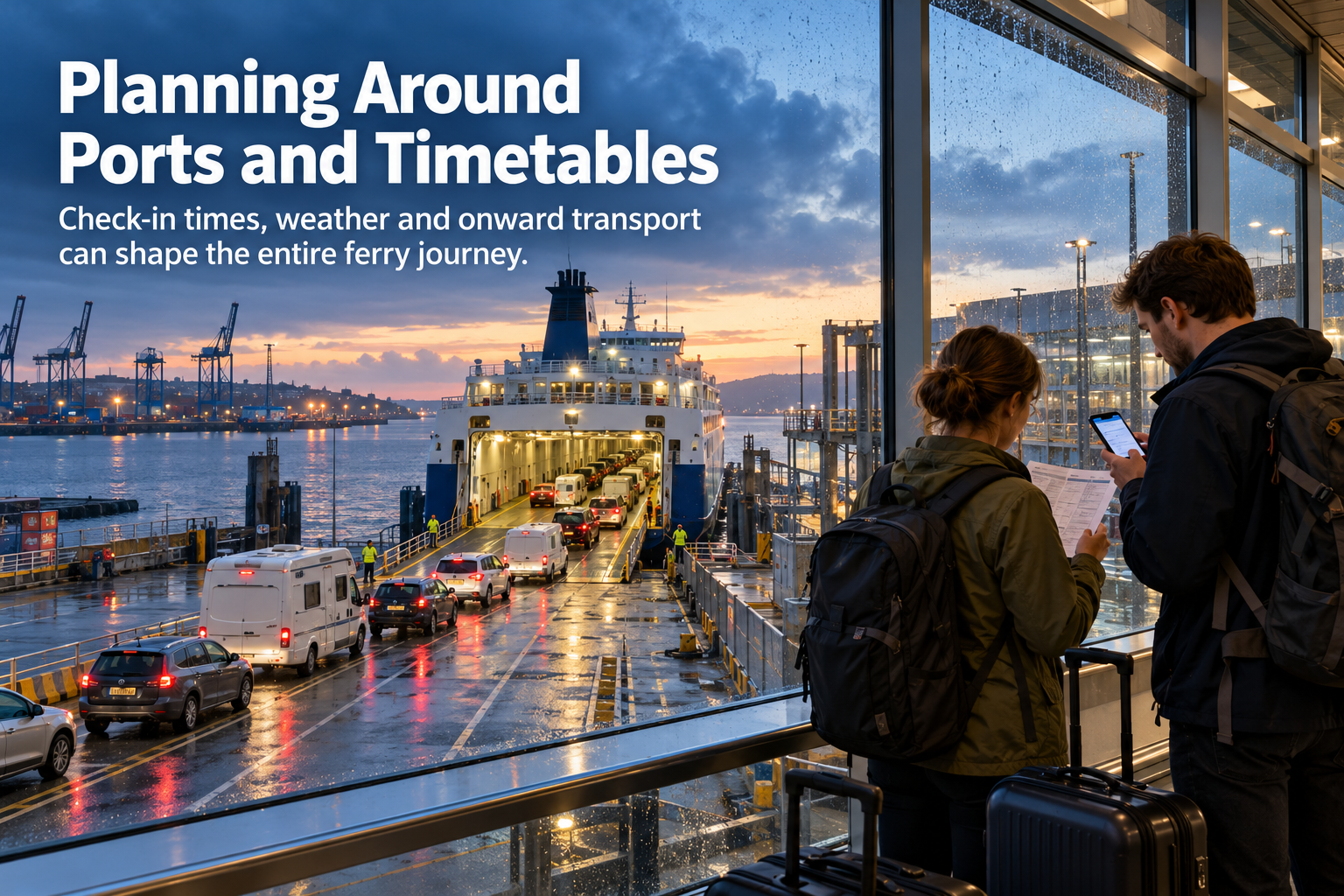
Scheduling and port operations are crucial for ferry travel. Vehicle passengers may be required to check-in and board an airplane significantly earlier than their flight time. Ports may be situated away from the city centres, and this is an important aspect to consider in the plan.
Sailing is also susceptible to weather and conditions. Those travelling to flights, trains or booking in for accommodation should allow for the potential for disruption, especially during periods of unsettled weather. Before heading off to the port, read the operator’s latest instructions to avoid unnecessary issues.
The destination is also of equal importance. Another road can be easy if a ferry goes into a convenient harbour, but it can be difficult if a ferry makes a long transfer. Arrival time, local transport and distance to accommodation are compared to aid travellers to select the crossing they best want to use to plan.
Why Ferry Travel Still Matters
Ferry services serve a vital function for many island communities, providing access for residents, businesses and goods to these islands, and enabling tourism to and from them. They are a convenient way for visitors to access coastal areas while maintaining the links to areas that rely on regular sea transport.
The appeal isn’t just about scenery. Ferries may offer flexibility on a road trip, be convenient for families, and be used to access destinations which cannot be easily integrated into a typical flight itinerary. They can also help attract travelers and direct their time in ports and coastal cities that may not otherwise be visited.
Ferry services will not be used instead of planes or trains everywhere – not necessarily the cheapest or fastest option. The benefits that it offers in terms of access, flexibility and experience are what make it valuable.
Finally, a holiday starts before you get there. The crossing of the water can provide time to relax, appreciate the view and look forward to the experience. However, if you can schedule around sailings, ferries can be a fun and convenient way to travel. Given the modern-day environment where convenience is often synonymous with speed, traveling by sea is a reminder that travel can be a part of the fun.
