
How Airbnb Changed the Way We Think About Accommodation
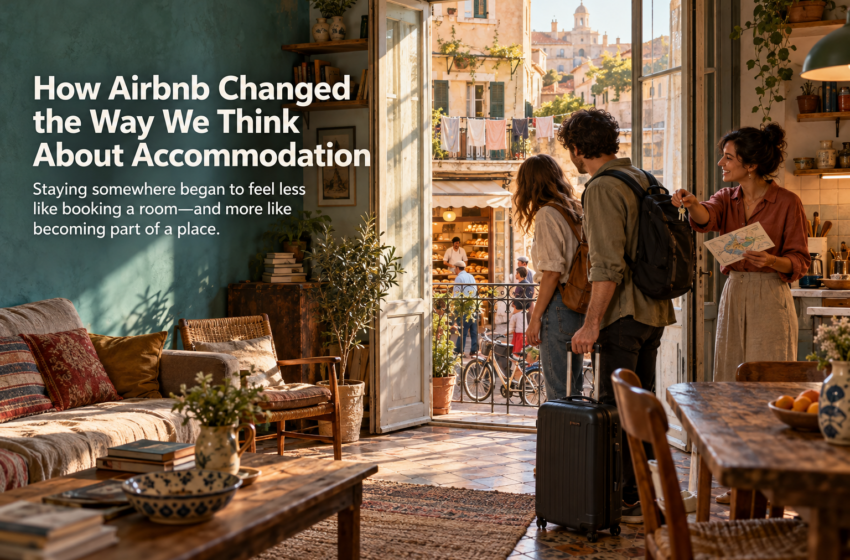
For decades, the concept of a natural way to spend a stay in a hotel has been defined by hotels.Over the years, the hotel has defined the hotel experience and the way people have imagined holidays. Travellers searched for comfortable rooms, convenient locations, reliable service and familiar amenities. Airbnb offered something different: a place to stay in an apartment, a family home, a country cottage or a unique property that was somehow connected to its surroundings. At first it was a means for people to share additional space, but it eventually became a significant other housing option. Airbnb created more than just another booking site. It altered the definition of an appropriate place to stay for travellers, their expectations and their evaluation of the host accommodation.
From Spare Rooms to an Alternative Way to Travel
Airbnb was founded in 2007 when its founders opened their doors to their guests in San Francisco. The initial concept was simple; match those in need of a place to sleep with those who can accommodate them. The platform then was extended to apartments, houses and holiday rentals, enabling visitors to think beyond the conventional hotel. This transformed the relationship of visitors and their residences.
A spare room might be a source of income; a traveler might seek a place to sleep in a residential neighborhood, instead of a business district. The idea may have been basic, but the possibilities were enormous and not just for cheap rent.
It was a holiday and the home became a part of it
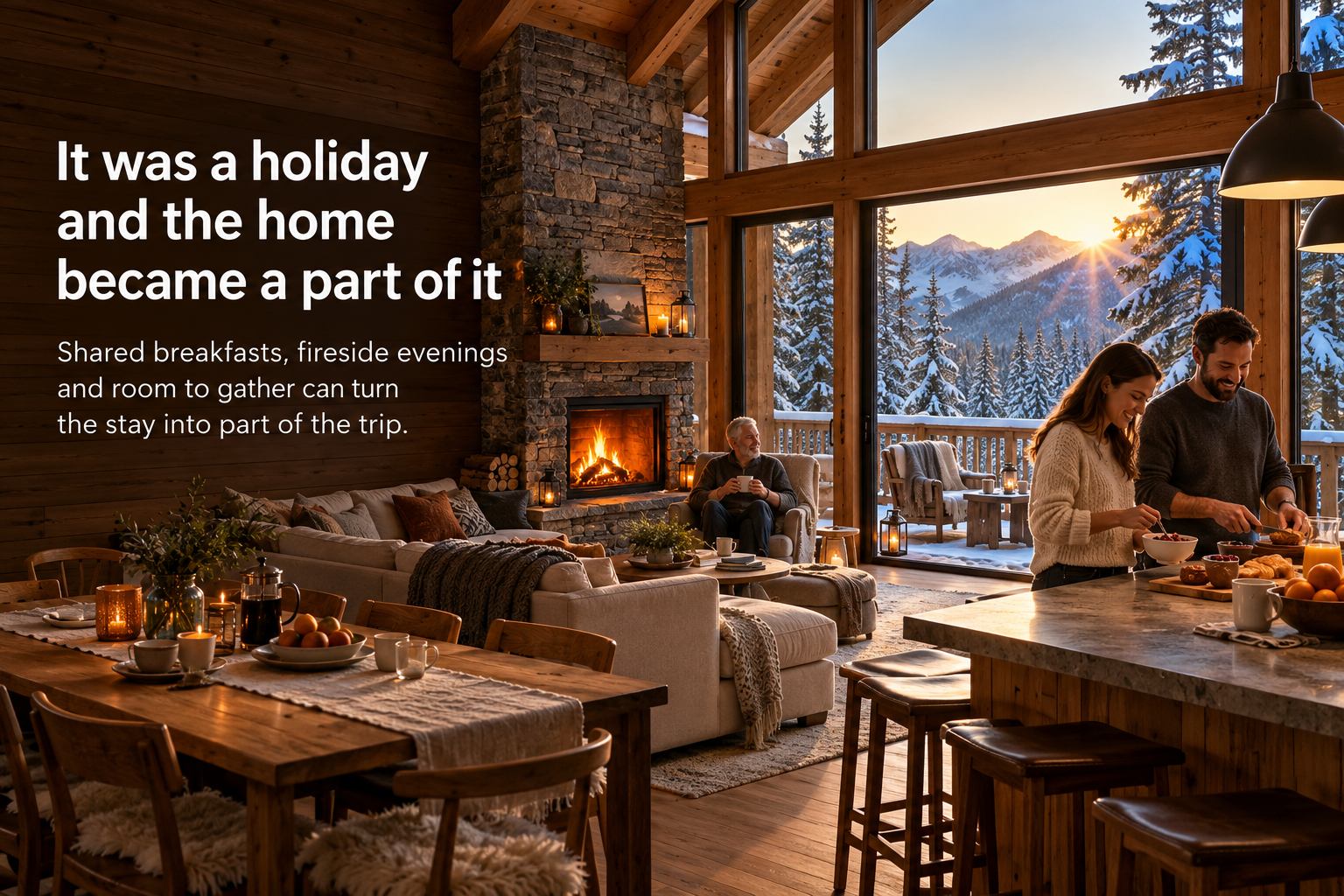
One of the most inspiring aspects of Airbnb has been the focus on the property itself. A holiday rental can provide a kitchen, living room, balcony or garden, and it can provide several bedrooms and that’s a new experience for many people staying in a traditional hotel room. These amenities can work well for families, groups of friends and travellers who are guesting longer.
Guests can spend most of their time in one room or they use the property as a temporary home. Making breakfast, sitting by a common fireplace, sitting on a terrace, etc., can become part of the trip. Accommodation is now more than just a place to stay overnight.
Travellers Started Looking Beyond Hotel Districts
Older hotels tend to be grouped around transportation hubs, business districts and older tourist destinations. Airbnb took it one step further, making it easier to find and book residential properties. Travellers would be able to look for lodging in less hectic areas, such as in proximity to parks or closer to the people they would be visiting. This helped some visitors to think of places they would not have looked at.
Visiting the cafés in the morning and the streets in the evening, as well as other aspects of a trip, can differ when staying outside the tourist centre. But a residential address is not necessarily more authentic. The value is dependent on the property, its neighbourhood and the interaction with the community by visitors.
A Different Approach to Price and Value

Airbnb also reshaped the way travellers assess the price of their lodging. People started to look at the value of the whole property instead of just the price of the hotel room, particularly when travelling in groups. Living in a house or apartment with someone else may help to lower the cost of the living arrangement per person, and also offer the facilities that may be needed but not afforded by an individual household.
However, it’s not always easy to make the comparison. Certain cleaning costs, service fees, local taxes and other fees can impact the total cost. Other services offered at hotels can be housekeeping daily, reception support and breakfast. Airbnb helped to expand the definition of value, but it also prompted travelers to think beyond the set price per night and what that nightly price covers.
Personal Choice Became a Bigger Part of Booking
Location, price, room size and star ratings were the main factors that were considered in accommodation searches. Another consideration was the character of the property. Airbnb made it one of its most important. The travellers might search for minimalist apartments, historical houses, cabins, farm stays or unusual architectural spaces. Photographs and descriptions became the basis of the decision, and people could imagine what it would be like to stay there before they came.
This added a personal touch to the accommodation. Some travellers were looking for a base to explore the sights and wonders, while others were looking for a place to stay that they would look back on as one of the best parts of their trip. Where to stay was more and more influenced by personal interests and preferences than by a common package of hotel facilities.
Reviews and Trust Became Essential
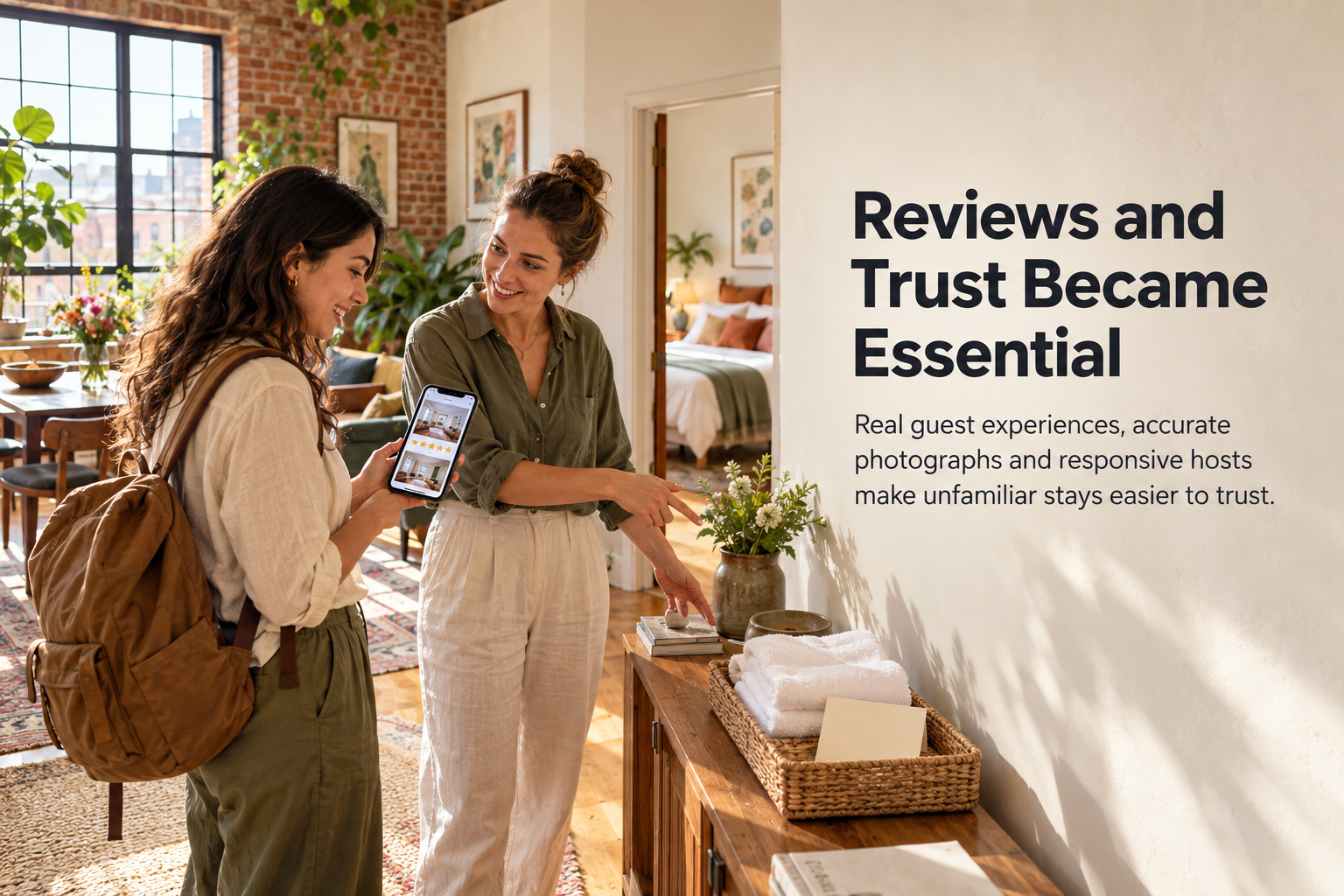
The challenge of finding lodging from a private host raised other issues. It was important to travelers to be sure the property lived up to the description, check-in would be successful, and any problems would be addressed by the host. Reviews, guest photographs, host profiles and platform policies became important aspects of the decision. The features were useful for people to determine if they wanted to book an unfamiliar property.
They also made reputation a great asset for hosts. Positive feedback and future bookings will be promoted if the property is well cared for and communication is clear. However, it may not be possible to eliminate all uncertainties from a review. Descriptions are limited and experiences differ, expectations can vary. When the accommodation is based on both the property and the individual running it, trust is crucial.
Housing became a business opportunity
But Airbnb also altered the way that people could be involved in tourism. Homes and property managers found a way to provide lodging for travelers and generated income from space available. This was sometimes a source of income from a spare room for some hosts, but for others it evolved into a more systematic enterprise of hospitality.
The model extended the scope of actors in accommodation, as well as from the hotel companies. But there’s more to hosting than just posting something on the Internet. Time and resources are needed for cleaning, maintenance, guest communication, pricing and local compliance. A simple event to a guest might entail much work.
The impact is both on cities and communities
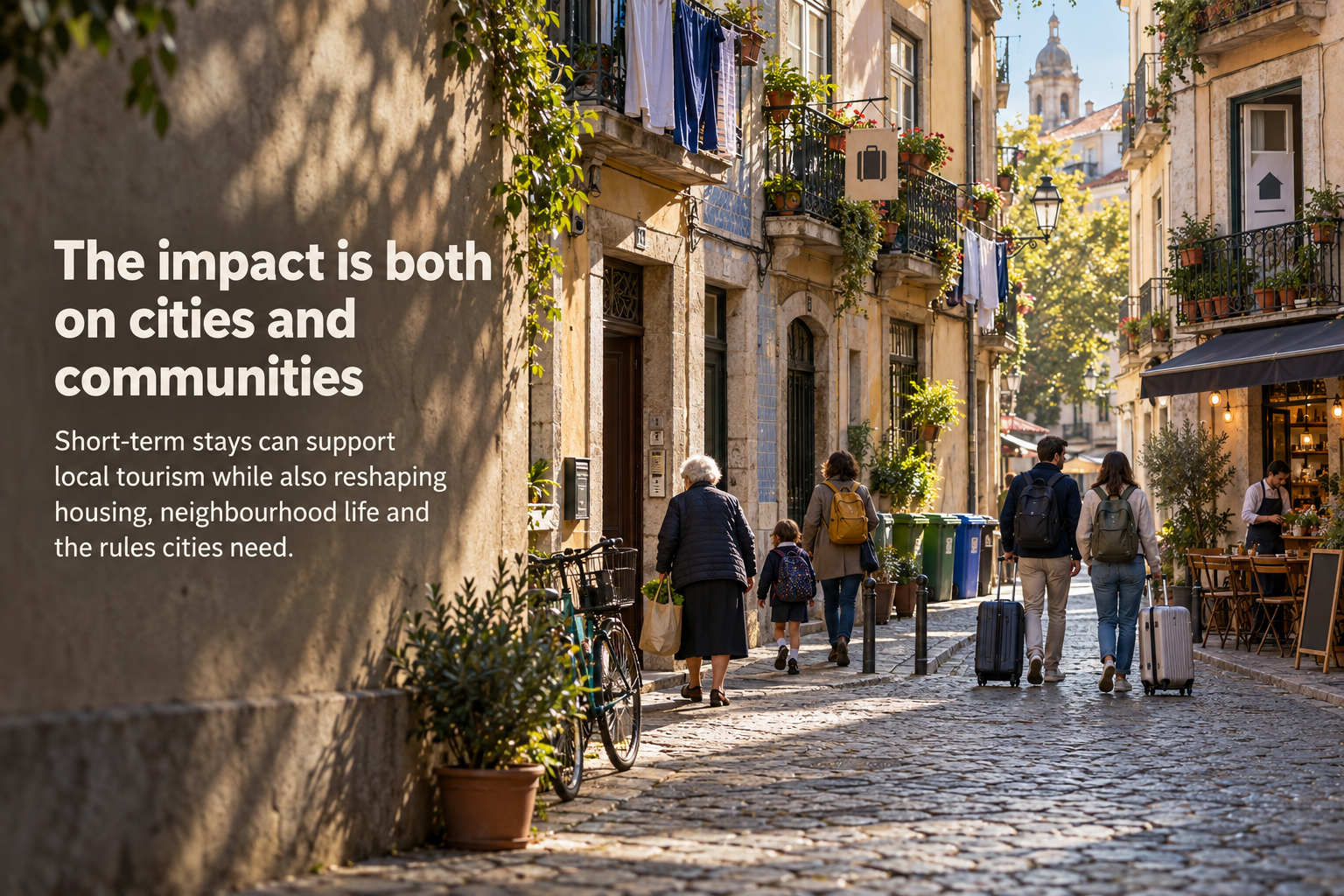
The rise of short-term rental has brought some challenging questions to some destinations. Where housing is scarce, issues have arisen about the conversion of long term residences for visitors. There could also be higher noise levels, alterations in neighbourhood activities or demands on neighbourhood services for residents. They have different impacts across individual cities, neighbourhoods and regulatory environments, and cannot be directly attributed in the same manner to all Airbnb properties.
Despite all of this, one thing is certain in the debate, that is, the accommodation platforms are not existing outside communities, but in the communities. Tourism and tourism choice in cities is a conflicting issue between city income and demand for housing, neighbourhood character and fair rules for those who provide housing.
Hotels have now had to react
Airbnb’s expansion has also had an impact on the broader industry of hospitality. Many guests still like the benefits that hotels continue to provide, such as reception, standards, housekeeping and onsite facilities. Meanwhile, the travelers have become more acquainted with the alternative accommodation and have come to expect greater flexibility in terms of the types of accommodation available.
Hotels have reacted in a number of ways such as creating apartment style rooms, longer term packages and more unique properties experiences. The hotel versus holiday rental battle isn’t just about one versus the other. It is about the matching between the accommodation and the various motives of travel. Travel plans for a business trip, family holiday and month’s stay can be quite different.
The future of selecting where to stay

Airbnb revolutionized accommodation by offering travelers more choices and allowing the property to become a part of their trip. It introduced the concept that a stay could provide space, individuality and relate the host to a neighbourhood in a new way; it would also provide new opportunities and responsibilities for hosts.
Its expansion has also revealed issues regarding trust, standards of service, regulation and housing. What hotels no longer can be replaced is that travelers have come to expect a different set of things from their hotel. They are able to make comparisons between various types of stays and make choices for a specific journey. Under more diverse accommodation offerings the final decision will be dependent upon the traveller’s requirements, the quality of the accommodation, and what the offer provides.
