
Why Hidden Destinations Are Trending
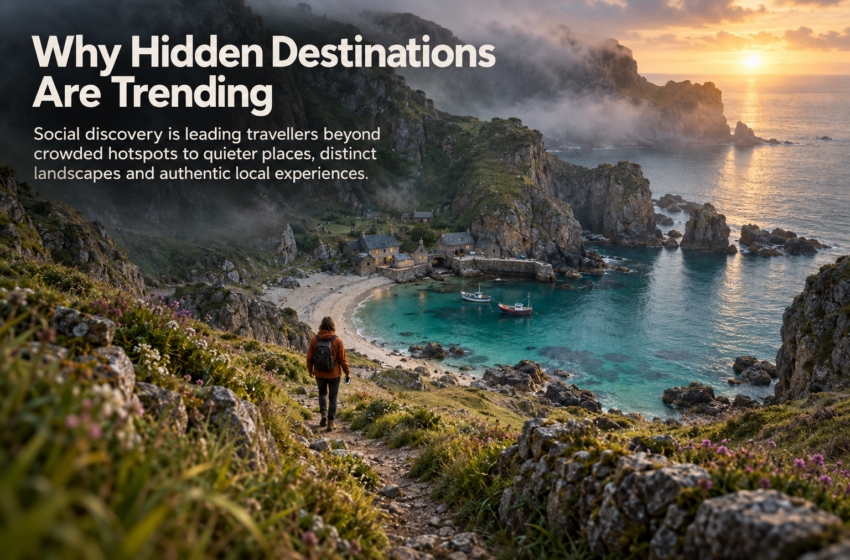
Travel discovery has changed dramatically in recent years. Previously, tourists used guidebooks, tour agencies and popular tourist sites to choose their destinations. Social media has been one of the biggest travel inspirations today. A short video, an Instagram post or a creator recommendation can literally bring millions of people to a location that they had never heard about before.
This has led to the rise in popularity of hidden destinations and offbeat travel experiences. Many travelers are looking to avoid the typical tourist destinations and overcrowded tourist towns, rather opting for quieter and lesser-known destinations, places with distinct landscapes and local experiences. These places are easier to find these days on social media, and the need for something new makes them more attractive.
What Are Hidden Destinations?
Hidden destinations are locations that have not been as popular or promoted as other tourist destinations. These may be small towns, remote islands, little-known beaches, mountain villages, nature reserves and cultural attractions which do not appear on the standard tourist travel itinerary.
The term does not necessarily mean that these places are completely unknown. Others might have a long history of tourism among local or experienced tourists, but only recently have become internationally popular. Others may get popular because of content created on social media.
These places are all united by the sense of discovery. Often the traveler finds that he is in a location that is not like the usual tourist area, and that he is able to visit and explore before the tourist masses arrive.
Social Media has revolutionized travel discovery
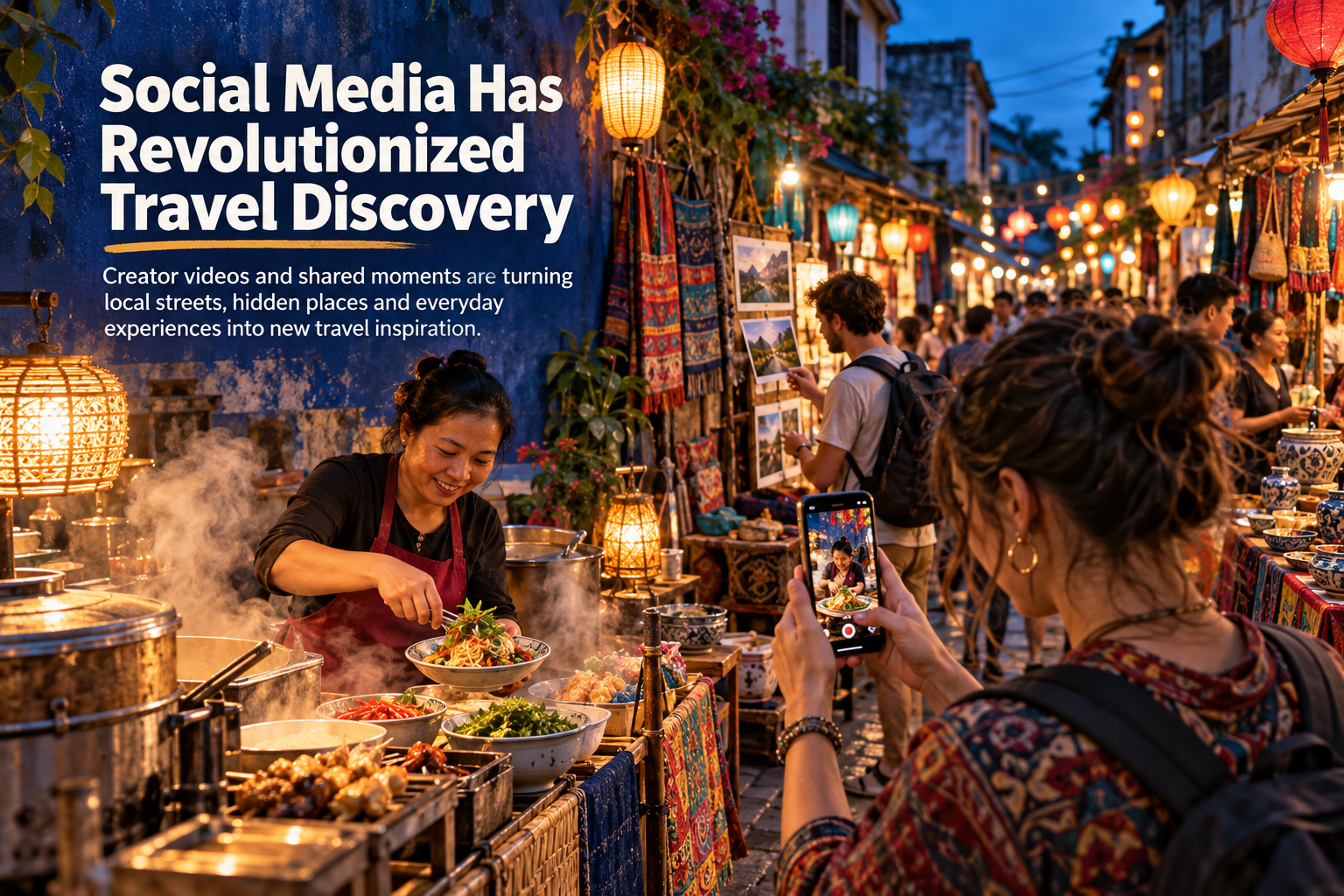
Social media has revolutionized how travelers discover places. People can find places on platforms like Instagram, TikTok and YouTube, not with travel guides. A 20-second video can demonstrate a hidden beach, a mountain village, a scenic road or a local market and generate immediate interest.
This visual aspect of social media can be especially effective for travel where destinations can be experienced through pictures and videos before physically visiting. A traveler can view a landscape, find rooms to stay in, watch other people’s experiences and gain ideas for what to do without using traditional travel websites 100 percent.
This is creating a shift towards travel inspiration not just from official tourism organizations, but from creators, travelers and communities too.
The beauty in traveling somewhere different
There is a great reason for hidden destinations being talked about, and that is the urge for something different. Great experiences can be found in popular places, but they can also be extremely busy, especially when it comes to traveling during peak hours. Those travelers looking for a more relaxed experience can thus consider alternatives.
An out of the way spot provides an alternative speed. Visitors will not be driven and transported from one over-crowded attraction to another; they will have greater opportunities to explore local neighborhoods, visit nature and engage with local communities.
Many travelers find it more of a feel of discovery. Stumbling upon a tiny cafe in an unknown town, walking through a quiet historic street or a view point with minimal groups can be a key element of the traveling experience.
The Search for Authentic Travel
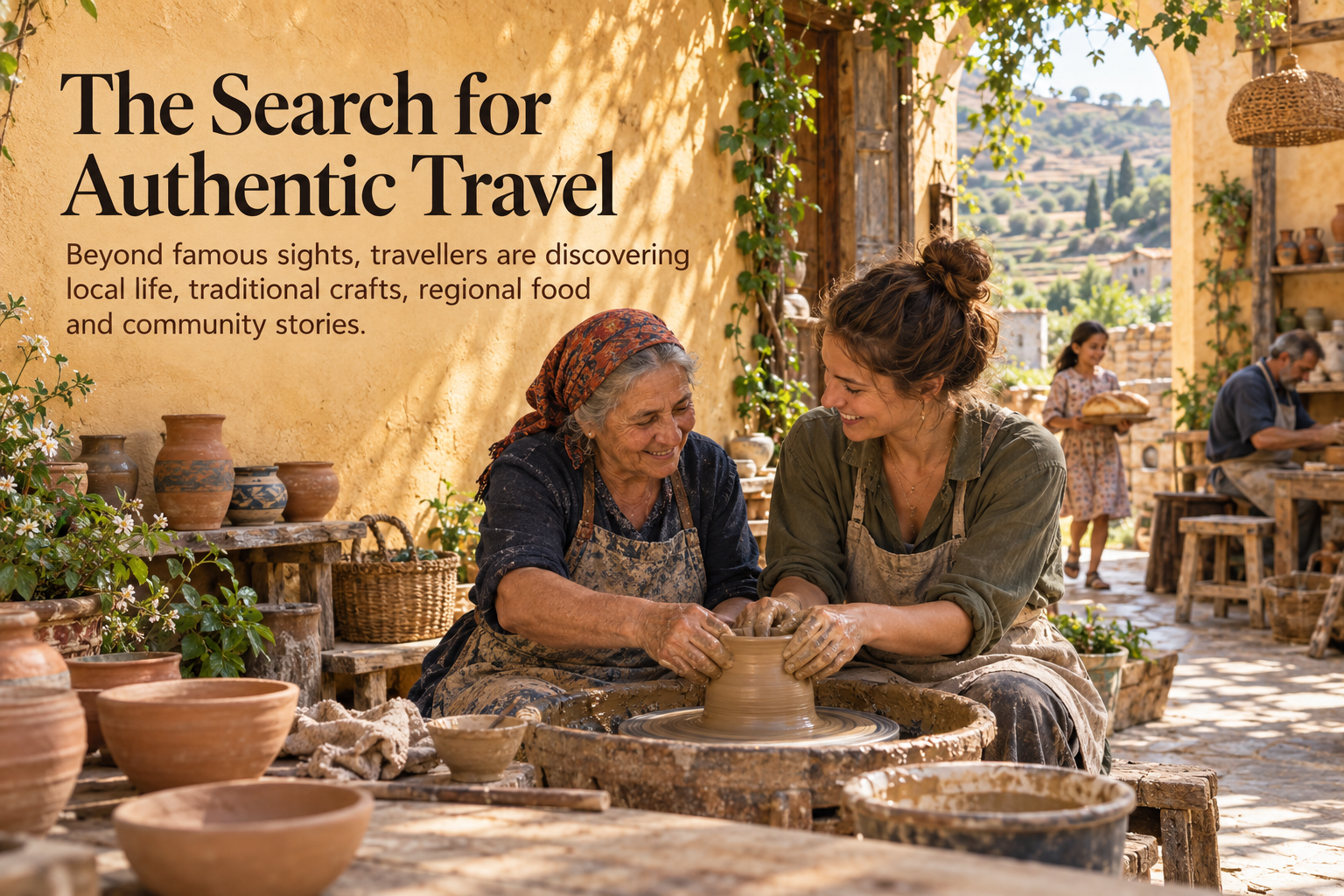
The rise of an interest in “secret” places is also correlated with the need for “realer” trips. People have a growing interest in learning about the way people live, eat, work and celebrate in various countries around the world.
Smaller destinations offer the opportunity for a more personal experience of local culture. Visitors can find local food, traditional artisan products, local festivals and community-operated businesses which are not seen as heavily concentrated in tourist areas.
But don’t think that all popular places are not authentic. Rather, it is a trend of tourists to venture beyond the popular tourist areas and discover the lesser-known destinations.
Instagram and TikTok Are Creating New Travel Hotpots
Popularity on social media doesn’t require a destination to be well known. A single video can really make a big difference when it comes to making an interest in an area that was previously uninteresting.
When it comes to attention, a creator can bring a beautiful landscape, unusual architecture, unique hotel, scenic road or a local experience to the fore. When a post starts to get views, other users can save it, share it and make their own posts from the same source.
This may lead to a discovery cycle. One traveler finds a spot, another shares it, and thousands of people eventually put it on their travel list.
Social media has thus opened a new route for destinations to become known and go from unknown to known.This has therefore given rise to a new route for destinations to become known and go from under-known to under-known.
Travelers want to share their experiences
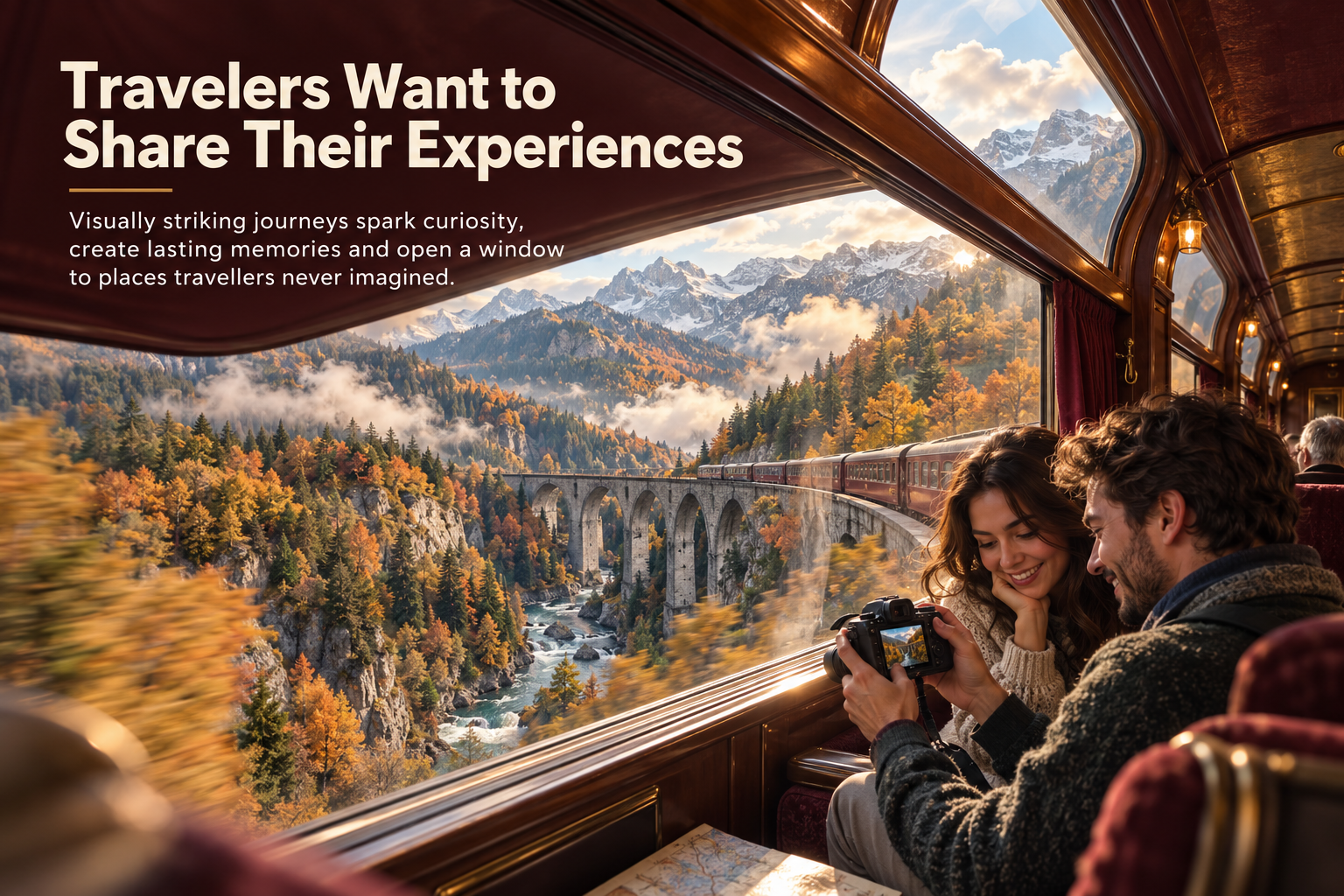
Visual content also plays a role in social media affecting travel plans. Unique experiences that can be captured on camera or video camera can be an attraction for travelers to destinations.
This may be an unusual landscape, a colorful market, a distinctive cultural event, a scenic train journey or something unusual in regards to the accommodation experience.
But it’s not necessarily about content for social media. Many times, a visually captivating experience is just a convenient way for travelers to find something that they may not have thought of.
Social media is a window on opportunities. When a person sees an experience, they might want to learn more about the place that the experience is going to.
Hidden Destinations and Sustainable Travel
More avenues for equitable tourism are also opening up as the interest in less-popular areas increases. Economic activity can be transmitted to smaller communities and businesses when travelers travel to different parts of the country rather than just the popular tourist destinations.
But there are times when there are challenges as well to increased visibility. Once a place goes viral, it easily gets crowded’, and it also begins to put strain on the environment and increase the costs of living for its people.
This translates to greater and greater need for Responsible Tourism. Travelers should familiarize themselves with local rules, respect communities, avoid damaging the natural environment and when possible support the local business.
The point shouldn’t just be to discover the next place and then make it popular. It must be about visiting new and safe destinations and making tourism enjoyable for the people that host it.
How Travel Brands Can Use the Trend
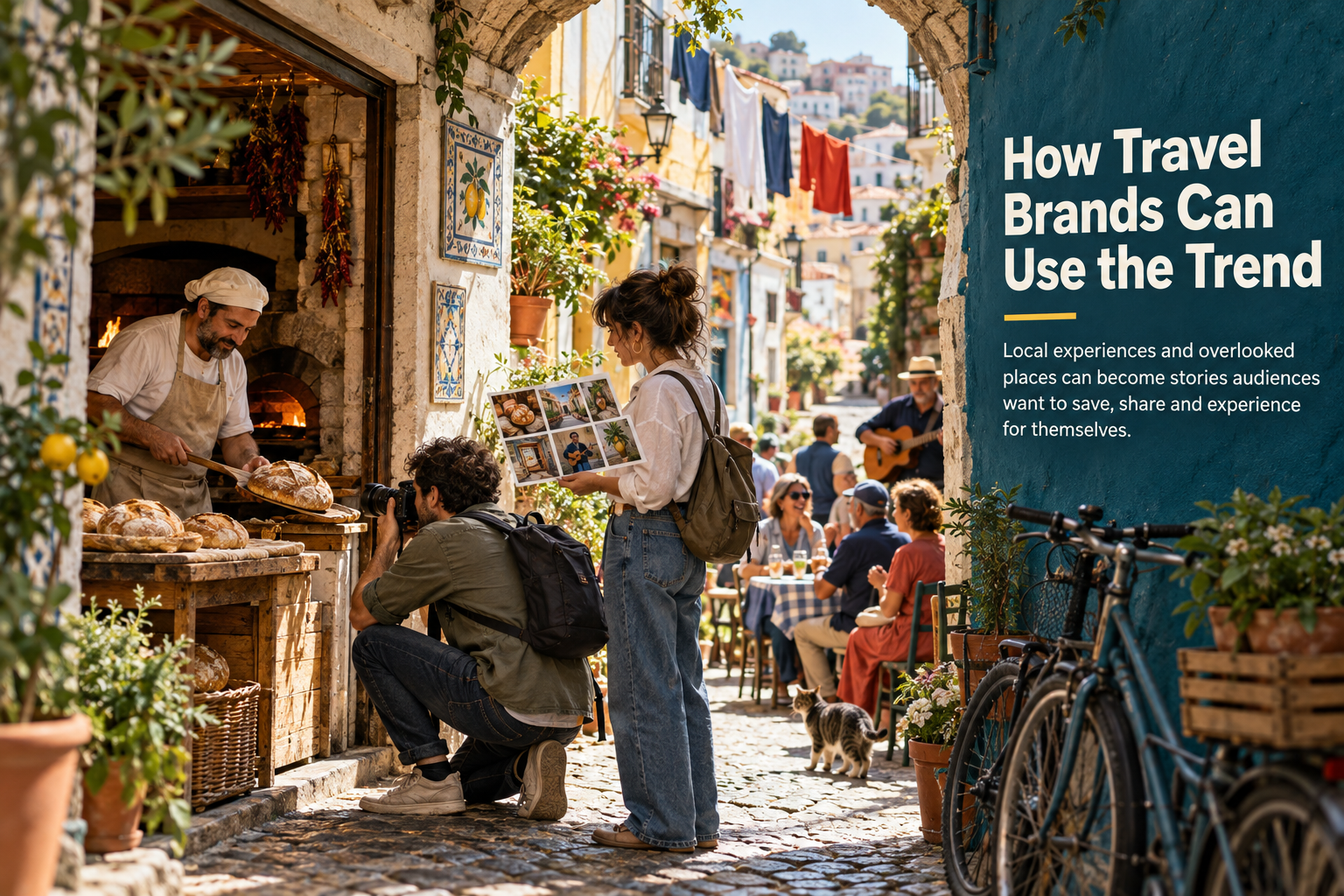
Thanks to places that are hidden from the masses, travel marketing has also changed hands. In the past, destination campaigns tend to be based around well-known landmarks and popular tourist spots. Social media offers a means to share a larger story.
Travel brands can feature local experiences, lesser-known neighborhoods, independent businesses, regional food and culture. They don’t just have to depict what a place is like, they can show what it feels like to be there.
It could be helpful for social media as it allows the audience to find something to look forward to. Instead of just marketing a location, brands can generate interest in a location.
For instance, a travel company could write an article about a city and then find a number of places in the city that a first time tourist doesn’t see. This is an opportunity for the audience to save, share and revisit this content.
The Risk of Making Hidden Places Too Popular
The trend is interestingly counter intuitive. Tourists look for places where they are not saturated with the sight of tourists because of the popularity of social media which can make them tourist-famous in a matter of seconds.
What was once a quiet area can turn into a popular hotpot with a few viral videos. This can alter the local environment and what brought them to the area.
For travelers, it’s a fleeting concept of a secret destination. Value doesn’t always have to be about discovering new places not yet known to others, but also discovering places before they become commercialized, and then visiting them with respect.
The Future of Travel Discovery
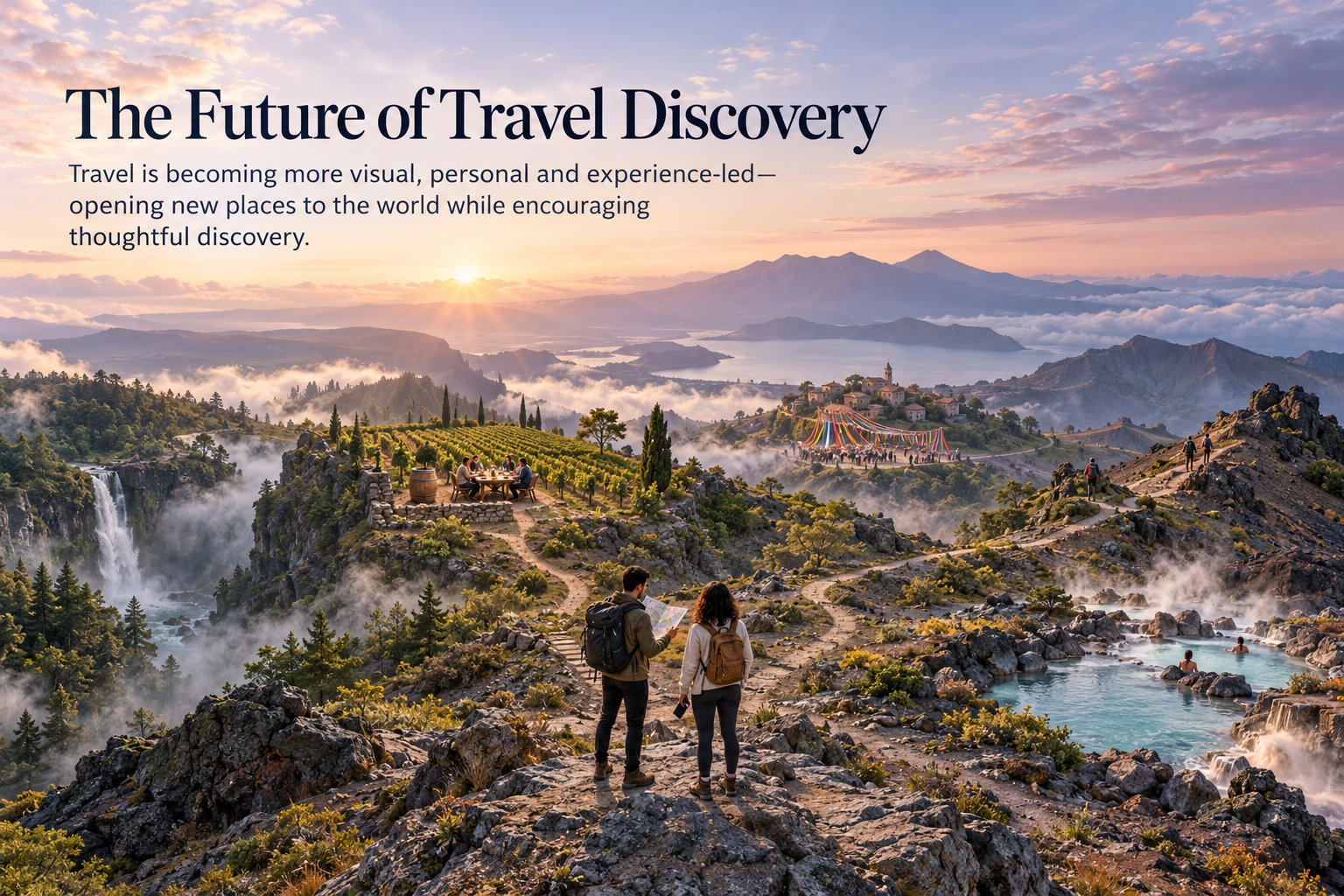
Social media platforms will remain a key option for travelers finding locations around the globe. While search engines and traditional travel websites will continue to play a key role, visual platforms are also gradually becoming part of the travel planning process.
The new era for travel discovery is probably going to be more visual, personal and experience-based. Visitors will keep traveling off the beaten track for destinations that align with their hobbies, whether it’s nature, food and drink, culture, adventure or relaxation.
This can provide the chance for small destinations to gain access to audiences that might not have been possible otherwise. Concurrently, it demands more of travelers and tourism enterprises to promote these places with consideration.
Final Thoughts
Hidden destinations have become a fad on social media as they cater to one thing that most travelers are searching for: discovery. In a world where the most popular tourist destinations are known to millions, finding a place other than those destinations can make a trip more personal and memorable.
These locations are now easier to find thanks to social media, and creators and travelers are helping to draw them into the spotlight. However, with visibility, comes responsibility. More destinations are gaining popularity and responsible travel and respecting that community are more important than ever.
Travel may not be all about finding the place nobody knows. It could be a place where you believe you’ll find something new, as well as a place you will experience with depth and meaning, and return with the same feeling of wonder you had when you first visited.
