
Future of Tourism
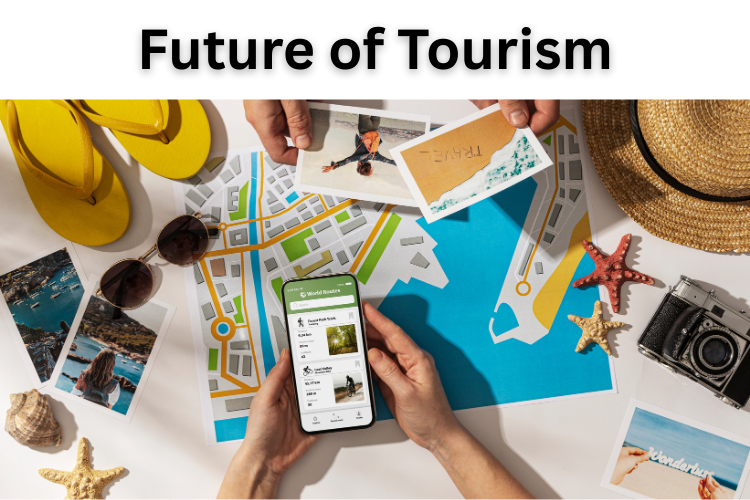
The future of tourism is dynamic due to the fact that technology, sustainability and emerging preferences of travelers are transforming the world traveling sector. Having undergone significant disruptions over the past few years, the tourism industry is currently in a new era of smarter traveling, environmentally conscious choices, experiences through digital technology, and customized experiences. Innovation and responsibility is taking center stage in the future of tourism as destinations strive to appeal to the new breed of tourists.
Our current blog discusses these major trends, technologies and changes that will influence the future of tourism and what the travelers should look forward to in the near future.
Environmentally Friendly and Green tourism
Sustainability is one of the most powerful foundations of the future of tourism. Today the travelers are more conscious about environmental and social impact. They are willing to travel in eco-friendly facilities, low-carbon, and places, which safeguard the local culture and biodiversity.
Sustainable tourism involves plastic waste reduction, the encouragement and development of local enterprises, selection of hotels based on green certifications, and reduction of carbon footprints. To balance the economic development and environmental conservation, many destinations are marketing eco-tourism, nature-based experiences, and community-based travel.
The policies are also being adopted by governments and tourism boards to curb overtourism and preserve the fragile ecosystems. Responsible travel is not only a trend in the future of tourism, but also an expectation.
Intelligent Tourism and Technology
The use of technology is changing all areas of travel. Digital innovation (artificial intelligence, big data, and smart infrastructure) is closely affiliated with the future of tourism.
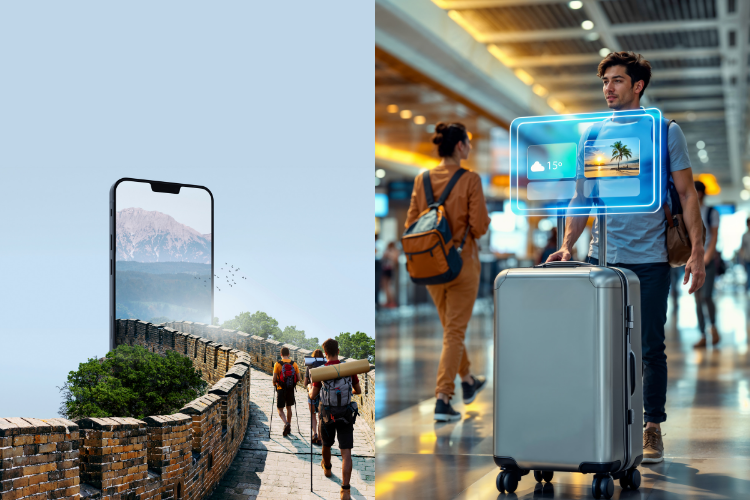
Tourists are using mobile applications to book flights, hotels and tours. Airports and hotels are going contactless with check-ins, online boarding passes, and biometric authentication. Digital maps, real-time transport monitoring, and virtual guide are some of the features being incorporated in smart cities to improve visitor experiences.
Artificial intelligence is used to tailor recommendations to the likes of the user, previous searches, and spending behavior. Virtual reality (VR) and augmented reality (AR) enable travelers to visit the destinations prior to booking, to make informed choices.
Technology is not killing travel- it is making it better.
Individualized Travel Experiences
Tourism is slowly shifting towards customized travel. The future of tourism aims at designing special and meaningful experiences according to individual interests.
Customers are seeking guided tours, cultural tours, wellness tours, adventure tours, and food tours. People do not desire generic sightseeing tours, but true relationships with destinations.
Personalisation on the basis of data allows travel firms to recommend activities, restaurants and attractions that would match the preferences of the traveller. This has changed to personalization which makes traveling interesting and travelable.
The Emergence of Telecommuting and Digital Nomads
Remote work is one of the areas that have had a major impact on tourism in the future. Work and travel are becoming common as more and more professionals are combining work and travel due to the flexibility of working arrangements.
The idea of the so-called workcations and digital nomad visas is becoming popular across the globe. Countries are also providing a stay long initiative to draw remote workers to local economies as they explore new destinations.
The co-living spaces, co-working centers, and long stays are modifying themselves according to the demands of digital nomads. Such a combination of work and traveling is predicted to grow even more in the years to come.
Priorities in Health and Safety
In the future of tourism, health and safety have become a significant issue. Customers have developed an interest in destinations that have high levels of hygiene, health care facilities, and safety measures.
There are also flexible cancellation policies, contactless services, and travel insurance options which have become a new norm. Tourists investigate destination health policies ahead of purchase.
The emphasis on health security makes tourism dynamic and resistant to the problems in the world.
Experiential and Slow Travel
Slow travel is another characteristic of tourism in the future. Travelers are willing to spend more time in a particular destination rather than visiting several destinations at a go in order to have a feel of the local culture and lifestyle.
Experience tourism involves cooking lessons, art lessons, heritage tours, and farm stays. Such immersive experiences provide stronger relationships with communities and build unforgettable moments.
Slow travel is also sustainable as it minimizes the frequency of flights and promotes extended stays.
Expanding Local and International Tourism
Although international travel is increasing, domestic tourism is also doing well. The tourists are also returning to close-by places, lesser known spots, and domestic travel spots.
The trend in tourism is the promotion of other unexplored places so as to avoid overcrowding of the already established destinations. Tourism boards and governments are investing in the infrastructure within the state to help it develop tourism.
Domestic tourism is cheap, convenient and gives a chance to appreciate one country in a new fashion.
Sustainable Transportation Innovations
Transportation is one of the major factors in tourism of the future. Airlines are putting money in sustainable aviation fuels, development of electric aircraft, and carbon offset programs.
There is also a resurgence in rail travel particularly where high-speed trains are offering a good alternative to short-haul flights in specific regions. Car sharing and electric cars are minimizing pollution in touristic places.
Areas Sustainable transport Sustainable transport solutions are assisting in mitigating the environmental impact of tourism.
The future of tourism has the following challenges
The future of tourism is problematic despite positive tendencies. Travel growth can be influenced by climate change, geopolitical tension, economic uncertainty and overtourism.
The nature of the destinations should be able to ensure a balance between tourism income and conservation of the environment and cultural heritage. Long term success will depend on investing in infrastructure, digital change and sustainability.
It should also be developed using equitable tourism to provide the local communities with an equitable share of gains of tourism activities.
Conclusion
Tourism is a dynamic, innovative and more responsible future. Travel is getting better through technology, more travel choices are being made in terms of sustainability and individualization is redefining how people travel the world. The new traveler is all about authenticity, flexibility, and experiences, as well as digital nomads and eco-conscious adventure tourists.
With the continued development of tourism, sustainable tourism destinations and companies who focus on the well being of the travelers and their innovativeness will flourish. Visiting places is not all about the future of tourism, but it is about making a positive impact, connecting the world, and smart travel.
FAQs
- What is the future of tourism?
The future of tourism focuses on sustainability, digital transformation, personalized travel, and enhanced safety measures. - How is technology shaping the future of tourism?
Technology improves booking systems, personalization, smart infrastructure, and contactless travel experiences. - Why is sustainable travel important in the future of tourism?
Sustainable travel reduces environmental impact, supports local communities, and protects cultural heritage. - What role do digital nomads play in the future of tourism?
Digital nomads combine work and travel, contributing to local economies and increasing demand for long-term stays. - How can travelers prepare for the future of tourism?
Travelers can embrace responsible travel practices, use digital tools effectively, and prioritize health and sustainability while planning trips.
