
Travel make-saving tips, Packing, and Budget Travel Advice
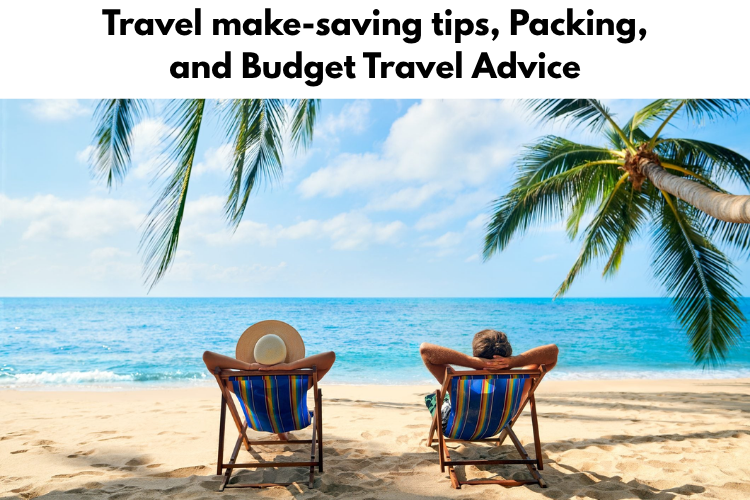
Backpacking is an exciting and free form of travelling. It gives you the opportunity to visit new places, to learn about new cultures, and to go traveling on a budget with everything you need on your backpack. A carefully organized backpacking trip could be a life-changing experience whether you are a first time traveler or a seasoned adventurer.
What is Backpacking?
Backpacking refers to a cheap and independent mode of travelling whereby people decide to pack their necessities in a bag pack and relocate to a different location. It can mean traveling in low-end hotels, traveling by bus, and traveling more in-depth to the destination.
How to plan your backpacking trip
The selection of the Right Destination
The choice of the destination will hinge on your budget, interests and level of experience. Novices will be attracted to established travel paths, whereas experienced backpackers will be attracted to isolated or unexplored regions.
Setting a Budget
One of the important aspects of backpacking is budgeting. Take into consideration costs like transport, lodging, meals, and activities, and emergency money. It is better to plan in advance to avoid excessive spending, and be sure of a relaxing trip.
Creating an Itinerary
A rough itinerary is important in keeping you organized although flexibility is essential in backpacking. Plan places to see, yet allow yourself to do something unexpected.
Essential Backpacking Gear
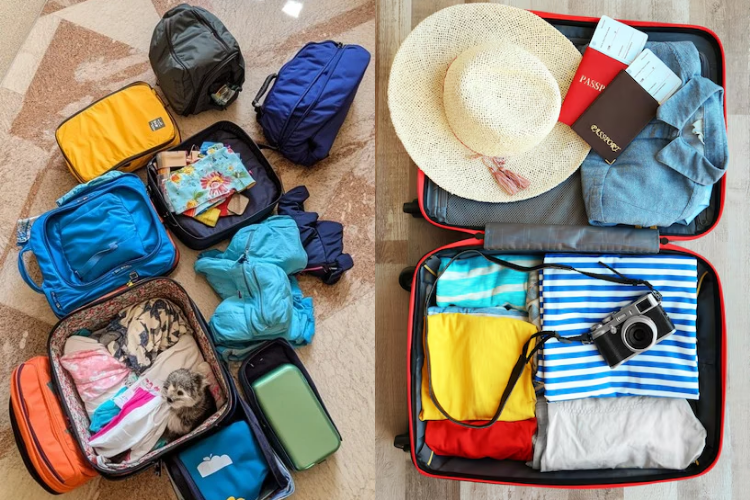
Selecting the Right Backpack
The most important thing to you is your backpack. Select one that is light, strong, and comfortable and has the capacity to carry your necessities without being too heavy.
Must-Have Items
- Wearing clothes that match the weather.
- Comfortable walking shoes
- Travel documents and identification.
- First-aid kit
- Reusable water bottle
- Power bank and chargers.
- It is also important to pack smart, just take what you really require.
- Backpackers Packing Tips.
- Pack Light
It should be avoided when over packing so it can be mixed and matched with clothing that is versatile. The less your bag the less you have to carry.
Organize Efficiently
Keep your things packed in packing cubes or different compartments so that they are well arranged and easy to retrieve.
Keep Essentials Accessible
Things such as passports, money, and phones must be stored in an easily accessible place.
Accommodation Options
Backpackers are offered with a wide range of accommodation options that comprise hostels, guesthouses, homestays and low budget hotels. Hostels are particularly popular due to the fact that they are cheap and offer a chance to socialize with other tourists.
Transportation Tips
Riding on the buses, trains and sharing of rides can also save money. To be active it is also a good idea to walk or rent bicycles to see the destinations.
Backpacking Safety
Safety should always be a priority. Always keep your stuff locked up, do not go to dangerous places and keep an eye on your surroundings. You should also wise up and reveal your travel plans to a person you can trust.
Health and Hygiene
To be healthy and keep good hygiene is important during your trip. Bring simple toiletries, keep hydrated and consume balanced meals wherever feasible.
Benefits of Backpacking
Backpacking has many other advantages other than travel. It serves to develop confidence, enhances problem solving capabilities, and enables one to relate with other people of other cultures. It promotes minimalism and flexibility as well.
Mistakes that should be avoided
- Overpacking
- Not researching destinations
- Ignoring travel insurance
- Poor budget planning
- Lack of flexibility
- Such mistakes can help you improve your trip and learn to avoid them.
- Sustainable Backpacking
Eco tourism is significant. Less waste, less distrust to the local culture, and less favoring local business. Sustainable backpacking is a way of making sure that the destinations are beautiful to visitors.
Conclusion
Backpacking is not only a form of traveling, it is a lifestyle that encourages freedom, adventure and personal development. You can have memorable moments with the right planning and packing and with an open mind. Whether it is in the mountains, urban areas or country villages, backpacking provides a different experience of visiting the world.
FAQs
- What is the ideal backpack size for beginners?
A 40–60 liter backpack is usually ideal for beginners as it offers enough space without being too heavy. - Is backpacking safe for solo travelers?
Yes, with proper precautions such as staying alert, researching destinations, and keeping valuables secure. - How much money do I need for backpacking?
It depends on the destination, but budgeting for accommodation, food, transport, and emergencies is essential. - What should I avoid packing?
Avoid unnecessary items, heavy gadgets, and excessive clothing. - How can I save money while backpacking?
Use public transport, stay in hostels, cook your own meals, and travel during off-peak seasons.
